
Sofa Cleaning and Maintenance Guide
Protect your investment with expert care routines. Learn fabric cleaning, leather conditioning, stain removal, and daily habits that keep your sofa looking fresh and comfortable for years.
START YOUR CARE ROUTINEWhy Sofa Care Matters: Your sofa is one of the most-used pieces of furniture in your home. Daily traffic, spills, sunlight, and pet activity gradually wear down upholstery and cushioning. A consistent cleaning and maintenance routine not only preserves appearance but also extends the functional lifespan of your couch, protecting the comfort and structure you depend on every day. Whether you own a fabric sectional, a leather recliner, or a compact loveseat, the care principles in this guide apply across categories and tiers.
Recommended Sofa Cleaning and Care Products
⚠️ AFFILIATE DISCLOSURE: This website contains affiliate links. As an affiliate Associate, we earn from qualifying purchases. If you make a purchase through these links, we may receive a small commission at no additional cost to you. Read our full affiliate policy.

Carbona Oxy Powered Upholstery Cleaner with Brush & Sponge, 13.5 Fl Oz | Oxy Powered Stain Remover for Couches, Car Seats & Mattresses, Tough on stains, Neutralizes Odors, No Residue
Check price on Amazon
ForceField® Fabric Cleaner Professional Strength, Deeply Penetrates Water Safe Fabric & Fibers of Upholstery, Clothing, Rugs & Carpeting - 22oz
Check price on Amazon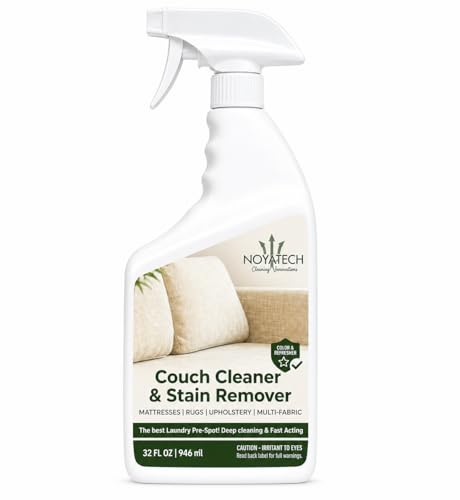
NOYATECH Couch Cleaner and Stain Remover Spray, Pet Safe Upholstery, 32 oz | Pet and Kid Safe -- Non Toxic, USDA BioPreferred - microfiber, sofas, mattresses, car seats - No Bleach or Phosphates
Check price on Amazon
Livatro Portable Carpet Upholstery Cleaner Machine with 2.3L+1.3L Dual Tank | 600W 16kPa Powerful Suction Deep Cleaning Spot Cleaner Shampooer, for Pet Stain Rug Stair Couch Sofa Handheld Cleaner
Check price on Amazon
Waterless Fabric Foam Cleaner,Carpet and Sofa Cleaner,Multipurpose Foam Cleaners Spray for Car Sofa Leather Carpet Cleaning (1pcs)
Check price on Amazon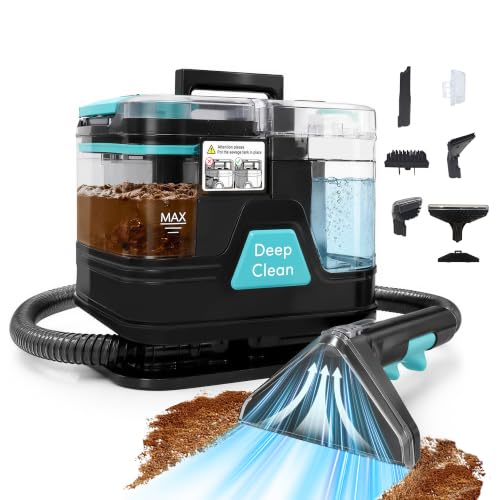
Portable Carpet Cleaner Machine,18Kpa,Handheld,Mini,Spot Extractor for Pet | Fabric Wet Vacuum, for Couch,Sofa,Car Seat Cleaning,Handheld Small Mini Water Deep Extractor Washer,Versatile Tools Included
Check price on Amazon
Rivenara Carpet Cleaner Machine Upholstery - 450W Shampooer Couch Cleaning Portable Vacuum Rug Sofa Car Seat Fabric Mattress Pet Spot Extractor for Furniture Water Hand Held Scrubber Small Deep Washer
Check price on Amazon
2PCS 4-in-1 Multi-Enzyme Foam Cleaner, Multi Purpose Car Interior Foam Cleaner Spray, Deep Cleaning Spray for Car Interior, Kitchen Grease, Bathroom Tiles, Sofa Upholstery (2*Sponge+Towel)
Check price on AmazonBuilding a Weekly and Monthly Care Routine
Consistency is the foundation of sofa longevity. Most upholstery damage accumulates slowly from dust, body oils, and small crumbs that work into fibers. A simple, repeatable routine prevents buildup before it becomes difficult to reverse. The schedule below outlines what to do and how often, regardless of whether you own an entry-level fabric sofa or a top-tier leather sectional.
- Weekly vacuuming: Use a soft upholstery brush attachment to vacuum seat cushions, backrests, and crevices. This removes dust, crumbs, and pet hair before they settle deep into fibers.
- Weekly cushion rotation: Flip and rotate seat and back cushions to distribute wear evenly and prevent permanent compression marks.
- Monthly deep vacuum: Remove cushions and vacuum the frame, under-cushion areas, and seams where debris collects.
- Quarterly fabric refresh: Spot clean visible marks and lightly brush the fabric to restore texture and lift embedded dust.
- Every 6–12 months fabric deep clean: Depending on household traffic and fabric type, perform a deeper clean using a method appropriate for your upholstery code.
- Every 3–6 months leather conditioning: Clean and condition leather surfaces to prevent cracking, drying, and fading.
Fabric Sofa Cleaning by Material Type
Not all fabrics respond the same way to water and cleaning agents. Before applying any method, check your sofa's upholstery code tag. The table below summarizes common fabric types and the recommended approach. Whether your sofa is a single cushion sofa, a sectional pull-out sofa, or a white sectional with washable covers, matching the cleaning method to the material is essential.
| Fabric Type | Cleaning Method | Care Notes |
|---|---|---|
| Cotton & Linen | Water-based mild detergent, spot clean | May shrink or wrinkle; air dry and iron on low if needed |
| Polyester & Microfiber | Water-based cleaner, gentle brush | Durable and stain-resistant; avoid over-wetting |
| Velvet | Dry cleaning or specialized foam cleaner | Brush pile in one direction; avoid water saturation |
| Wool & Blends | Professional dry clean preferred | Water can cause felting; use minimal moisture |
| Leather & Faux Leather | Leather cleaner and conditioner | Never use alcohol or harsh solvents; wipe dry immediately |
Leather Sofa Care and Conditioning
Leather is a durable, premium material, but it requires regular conditioning to stay supple and resist cracking. Whether you own a leather sofa, a white leather sectional sofa, or a queen leather sectional sleeper sofa, the care principles are consistent across the category. Dust weekly with a dry microfiber cloth, clean monthly with a pH-balanced leather cleaner, and condition every 3–6 months. Keep leather away from direct sunlight and heat sources, and wipe up spills immediately to prevent absorption. High-end tier leather models often benefit from more frequent conditioning because their finishes are more porous and receptive to treatment.
Stain Removal: A Step-by-Step Approach
Speed and restraint are your best tools against stains. Rubbing spreads stains deeper into fibers, and applying the wrong cleaner can set the stain permanently or damage the fabric. Follow this sequence for any spill, whether on a small recliner chair, a gray leather reclining sofa set, or a wicker outdoor sofa.
- Blot, don't rub: Press a clean, dry cloth onto the spill to absorb as much liquid as possible. Work from the outside edge inward.
- Identify the stain: Water-based spills (coffee, juice) respond to mild detergent; oil-based stains (grease, butter) need a solvent-based cleaner or absorbent powder first.
- Test on a hidden area: Apply your cleaner to an inconspicuous spot such as the back or underside of the sofa. Wait a few minutes and check for color change or fabric damage.
- Apply cleaner sparingly: Use a small amount of cleaner on a clean cloth and dab gently. Avoid soaking the fabric.
- Rinse and dry: Remove residue with a cloth dampened with clean water, then blot dry with a towel. Allow the area to air dry away from direct heat.
- Repeat if needed: For stubborn stains, repeat the process rather than increasing the strength of the cleaner.
Deodorizing and Freshening Your Sofa
Odors originate from trapped moisture, pet oils, and food particles. Regular vacuuming removes much of the source material, but periodic deodorizing keeps the sofa smelling neutral. Sprinkle baking soda over fabric cushions, let it sit for 15–30 minutes to absorb odors, then vacuum thoroughly. For leather, wipe with a diluted white vinegar solution (test first) and follow with a conditioner. Ensure good ventilation in the room. Avoid harsh chemical air fresheners that can discolor fabric or irritate sensitive skin.
Protection: Sun, Pets, and Everyday Wear
Sun Damage Prevention
Prolonged direct sunlight fades fabric dyes and dries out leather. Position sofas away from strong windows, use curtains or blinds during peak hours, and rotate the sofa if possible. UV-protective window film is an effective addition for high-exposure rooms.
Pet-Friendly Protection
Use washable throws or slipcovers on frequently used seats. Vacuum pet hair weekly, and clean pet accidents immediately with an enzyme-based cleaner. For pet-heavy households, a sofa bed or recliner with removable covers is easier to maintain. Trim pet nails regularly to reduce snags and punctures.
Cushion and Frame Care
Fluff cushions weekly and rotate seating positions to distribute wear. Tighten visible screws and bolts every few months. For reclining models such as a reclining sofa with lumbar support or a zero clearance recliner, lubricate mechanical parts according to the manufacturer's guidance.
Covers and Protectors
Fabric protectants add a water-resistant layer but must be reapplied periodically and should match the sofa's material. Removable covers, like those on white sectionals with washable covers or an ottoman sofa cover, are the easiest protection strategy for high-traffic homes.
Cleaning Recliners and Specialty Sofas
Reclining sofas and power models have mechanical and electrical components that require extra attention. Before cleaning a leather power reclining sofa with power headrest or a double recliner with heat and massage, unplug the unit. Clean upholstery as you would any sofa, but avoid spraying liquid near motors, wiring, or control panels. Wipe control buttons with a dry or slightly damp cloth only. For a heavy duty lift chair or a lift recliner with heat and massage, consult the manual for specific cleaning instructions related to the lift mechanism and heating elements. Outdoor sofas such as a harbour outdoor sofa need covers during off-season and cleaning with outdoor-safe solutions.
Seasonal Maintenance Checklist
- Spring: Deep clean fabric upholstery, wash removable covers, inspect frame and tighten fittings.
- Summer: Protect from UV exposure, clean outdoor sofas, and vacuum more frequently due to open windows and pollen.
- Autumn: Condition leather before indoor heating season, clean under cushions, and prepare throws for cooler months.
- Winter: Maintain humidity to prevent leather drying, avoid placing sofas near radiators, and vacuum up holiday debris promptly.
Ready to Protect Your Sofa Investment?
Explore our recommended cleaning and maintenance essentials to keep your couch fresh, comfortable, and durable for years to come.
VIEW CARE PRODUCTSFrequently Asked Questions
How often should I clean my sofa?
Vacuum weekly, deep clean fabric sofas every 6–12 months, and condition leather sofas every 3–6 months depending on use and exposure. High-traffic households and pet owners should lean toward the more frequent end of these ranges.
What is the best way to remove stains from a sofa?
Blot immediately with a clean cloth, identify the stain type, use a suitable mild cleaner, and always test on a hidden area first. Avoid rubbing, which spreads stains deeper into fibers. Repeat gentle applications rather than using stronger chemicals.
Can I use household vinegar to clean my sofa?
A diluted white vinegar solution works well on many fabric stains and odors, but avoid it on leather, silk, and other delicate materials. Always spot test first. Vinegar is especially useful for deodorizing and light cleaning on polyester and cotton blends.
How do I clean a reclining sofa safely?
Unplug power recliners before cleaning. Avoid spraying liquid near motors, wiring, or control panels. Wipe controls with a dry cloth. For manual recliners, vacuum crevices and lubricate mechanisms according to the manufacturer's recommendations. Models like a reclining sofa with pull-out bed may have additional fabric areas that need separate care.
What should I do if my leather sofa starts cracking?
Cracking usually indicates dryness. Clean the area gently, apply a quality leather conditioner, and keep the sofa away from direct heat and sunlight. Severe cracking may require professional restoration. Regular conditioning prevents most cracking before it starts.
Are there benefits to professional sofa cleaning?
Professional cleaning is worthwhile for delicate fabrics, deep-set stains, and high-end or luxury upholstery. Professionals have access to extraction equipment and specialized agents that are not available for home use. For most mid-range and entry-level fabric sofas, diligent home care is sufficient.
Related Sofa Guides
Explore more resources to help you choose, care for, and enjoy your sofa: