
Zero Clearance Recliner: The Space-Saving Comfort Solution
Learn how zero clearance recliners deliver full recline comfort in tight spaces. Compare mechanisms, placement strategies, and feature tiers before you choose the right model for your living room or home office.
Why zero clearance matters: Traditional recliners often need 12 to 18 inches of wall clearance to fully recline. A zero clearance recliner changes that equation entirely, using a forward-gliding mechanism that lets you place your chair close to the wall while still enjoying a full recline. For anyone dealing with a compact living room, apartment, or multi-use space, this single design difference can unlock seating arrangements that were previously impossible.
What Is a Zero Clearance Recliner?
A zero clearance recliner is a reclining chair engineered to fully extend without requiring significant space behind it. Instead of the backrest pushing backward into the wall, the seat moves forward on its track, creating the recline angle while keeping the backrest close to vertical or just slightly tilted. This mechanism is sometimes called a wall-hugger or zero-wall recline system.
The practical result is simple: you can push the chair against a wall, into a corner, or alongside a window and still enjoy the full range of reclining positions. For buyers who have been frustrated by the "gap" that standard recliners demand, a zero clearance model removes that limitation entirely.
If you are also considering a more traditional space-saving option, our guide to wall hugger recliners for small spaces breaks down the differences in mechanism and placement.
How the Zero Clearance Mechanism Works
Understanding the mechanism helps you evaluate which model will work best in your room. There are two primary designs:
- Forward-glide mechanism: The entire seat assembly slides forward on a track as the backrest reclines. This is the most common zero clearance design and typically requires only 2 to 5 inches of rear clearance.
- Wall-hugger / zero-wall mechanism: The backrest stays nearly vertical while the footrest extends and the seat tilts. Some premium models combine this with a slight forward glide, allowing recline with as little as 1 inch of gap.
Both designs achieve the same goal: full recline without the rear clearance that standard recliners demand. The difference shows up in how the chair feels during the transition and how much floor space it occupies when fully extended.
Key Benefits of a Zero Clearance Recliner
Choosing a zero clearance model is not just about saving inches. It changes how you can use your room:
- Placement flexibility: Push the chair flush against a wall or tuck it into a corner without losing recline functionality.
- Small-room efficiency: Ideal for apartments, studio layouts, home offices, and compact living rooms where every inch counts.
- Cleaner visual line: No awkward gap behind the chair means a more polished, intentional furniture arrangement.
- Full comfort range: You still get the same recline angles, lumbar support, and footrest extension as a standard recliner.
- Better traffic flow: Reclaiming rear space often opens up walkways and improves the overall flow of the room.
If your priority is a dedicated compact seating piece rather than a full-size sofa, our overview of small recliner chairs pairs well with this guide.
Placement and Clearance Guide
Even though zero clearance recliners require far less rear space than standard models, placement still matters. Use this practical checklist before you commit to a spot:
| Placement Scenario | Rear Clearance Needed | Best For |
|---|---|---|
| Flush against wall | 1–3 inches | Tightest spaces, corners, home offices |
| Near wall with small gap | 3–5 inches | Most living rooms, apartments |
| Window or radiator wall | 5–8 inches | Rooms needing airflow or cord access |
Always confirm the manufacturer's recommended clearance for your specific model. Some power recliners need a few extra inches for the power cord and adapter, even when the recline mechanism itself is zero clearance.
Feature Tiers: Entry-Level to Premium
Zero clearance recliners come in several feature tiers. Understanding what each tier typically includes helps you match the chair to your daily use:
- Essential tier: Manual recline, basic fabric or faux leather upholstery, simple push-back mechanism. A solid choice for occasional use and straightforward placement.
- Balanced tier: Power recline, upgraded cushioning, USB charging port, and smoother zero-wall mechanism. Well-specified for everyday lounging.
- High-end tier: Power recline with adjustable headrest, extended footrest, heat and massage options, and premium upholstery such as top-grain leather or performance fabric.
- Flagship tier: Full-featured power recliner with memory positions, wireless controls, lumbar adjustment, and commercial-grade mechanism. A long-term investment for daily comfort.
For a closer look at how heat and massage features compare across tiers, explore our guide to the zero gravity recliner with heat and massage.
Zero Clearance vs. Standard Recliner: What Changes?
The core difference is the mechanism, not the comfort. A standard recliner pushes the backrest backward as it reclines, which is why it needs a large gap behind it. A zero clearance model moves the seat forward instead, keeping the backrest close to the wall.
In practical terms:
- Standard recliner: Requires 12–18 inches behind it. Better suited to large rooms or open floor plans where the chair can float.
- Zero clearance recliner: Requires 1–5 inches behind it. Better suited to compact rooms, corners, and wall-adjacent placements.
- Comfort: Comparable across both types when comparing within the same tier.
- Footprint when extended: Zero clearance models extend forward, so plan for foot traffic in front of the chair.
If you are weighing a recliner against a sleeper or multipurpose piece, our comparison of sofa beds and recliners can help clarify which direction fits your room's primary use.
Materials and Construction to Look For
Because a zero clearance recliner relies on a moving mechanism, construction quality matters more than it might on a stationary chair. Look for:
- Reinforced steel frame: Heavy-duty construction keeps the glide track aligned over years of use.
- Smooth power mechanism: Mid-range and higher tiers typically offer quieter, smoother motors than entry-level models.
- Durable upholstery: Performance fabric and top-grain leather hold up better in daily-use settings than basic bonded materials.
- High-density foam: Seat cushions that retain shape reduce the need for replacement and keep the recline experience consistent.
For maintenance guidance that applies across upholstery types, see our sofa cleaning and maintenance resources.
Best Rooms and Use Cases
Zero clearance recliners shine in spaces where traditional recliners simply do not fit:
- Small living rooms: Place the chair against the wall and still recline fully. See our small living room design guide for layout ideas.
- Apartments and studios: Maximize usable floor space without sacrificing lounge comfort.
- Home offices: A recliner that doubles as a reading or break spot without needing a dedicated open corner.
- Guest rooms: Pair with a guest room sofa or use the recliner as the primary seating in a multipurpose room.
- Media rooms: Zero clearance placement keeps sightlines clean and the room uncluttered.
Buying Checklist for Zero Clearance Recliners
Before you finalize a purchase, run through this checklist:
- Measure the wall space and confirm the minimum rear clearance for the model you are considering.
- Check the extended footprint—how far forward the chair moves when fully reclined.
- Confirm the power requirements if you choose a power recline model, including cord length and outlet placement.
- Compare upholstery tiers and choose a material suited to your household (pets, kids, daily use).
- Review the warranty terms, especially coverage for the recline mechanism. Our warranty and returns guide explains what to look for.
- Decide whether heat, massage, or adjustable headrest features are worth the upgrade for your usage pattern.
Recommended Zero Clearance Recliners
⚠️ AFFILIATE DISCLOSURE: This website contains affiliate links. As an affiliate Associate, we earn from qualifying purchases. If you make a purchase through these links, we may receive a small commission at no additional cost to you. Read our full affiliate policy.
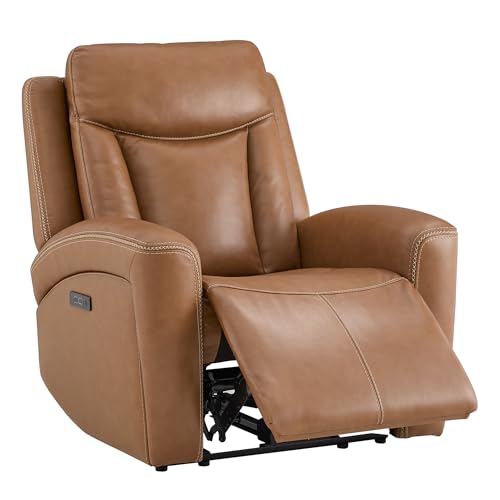
CHITA Genuine Leather Super Zero Gravity Power Recliner Chair, Saddle | Adjustable Power Headrest, USB & Type-C Ports for Living Room & Home Theater
Check price on Amazon
KISLOT Zero Gravity Recliner Chair, Dual-Motor Power Armchair, Cream | Electric Headrest & Telescopic Footrest Faux Leather Reclining Chair Ergonomic Accent Chair for Living Room Bedroom
Check price on Amazon
KISLOT Zero Wall Hugger Recliner Chair, Power Reclining Armchair, Camel | Modern Faux Leather Single Sofa with Solid Wood Legs Electric Accent Chair for Small Spaces Living Room Bedroom RV Apartment
Check price on Amazon
Watson & Whitely Zero Gravity Power Recliner Chair for Adults, Saddle Brown | Genuine Leather Reclining Chair, Power Headrest, Hidden Arm Storages, Electric Recliner Sofa for Living Room & Home Office
Check price on Amazon
Korser Recliner Chair, Power Recliners for RV with Massage and Heating, Zero-Gravity Recliner, Electric Power Recliner Chair for Living Room, Bedroom, Home, Theater Seating (Darkgray)
Check price on Amazon
Korser Power Recliner Chair, Electric Recliner Chairs for Adults, Wall Hugger RV Recliners with USB/Type-C Ports, Zero Gravity Chair, Zero Wall Recliners for Living Room, Home Theater, Bedroom, Beige
Check price on Amazon
Eonix Zero Clearance Wall Hugger Power Recliner, Premium Plush Fabric | Lazy Boy Recliner for Living Room, Lumbar Pillow, Type C & USB Charging Ports, Infinite Positions, Side Pockets, Dark Gray
Check price on AmazonFrequently Asked Questions
What is a zero clearance recliner?
A zero clearance recliner is a reclining chair designed to fully recline with little to no space required behind it. Unlike traditional recliners that need several inches of wall clearance, zero clearance models use a forward-gliding or wall-hugger mechanism that allows the backrest to recline without touching the wall.
How much space does a zero clearance recliner need behind it?
Most zero clearance recliners require only about 2 to 5 inches of clearance from the wall, compared to 12 to 18 inches for standard recliners. Some wall-hugger designs can operate with as little as 1 inch of gap, making them ideal for compact rooms.
Are zero clearance recliners as comfortable as standard recliners?
Yes. Zero clearance recliners use the same cushioning, lumbar support, and recline angles as traditional models. The difference lies in the mechanism, not the comfort. Many high-end tier zero clearance models include power recline, heat, massage, and adjustable headrests.
Can a zero clearance recliner be placed against a wall?
Yes, that is the primary purpose of a zero clearance recliner. It can be positioned close to a wall and still recline fully because the seat glides forward rather than the back pushing backward. Always check the manufacturer's recommended minimum clearance for your specific model.
Do zero clearance recliners work for small living rooms?
Absolutely. Zero clearance recliners are among the best seating options for small living rooms, apartments, and home offices. They maximize floor space by eliminating the need for rear clearance, allowing you to place them in corners or against walls without sacrificing reclining functionality.
Ready to Reclaim Your Floor Space?
A zero clearance recliner is one of the most practical upgrades you can make in a compact living space. By eliminating the rear clearance requirement, it opens up placement options that standard recliners simply cannot offer—while still delivering the full recline comfort you expect. Use the checklist above, compare the feature tiers, and confirm the clearance for your specific room before you decide. When you are ready, the product recommendations above are a good starting point for comparing real models side by side.