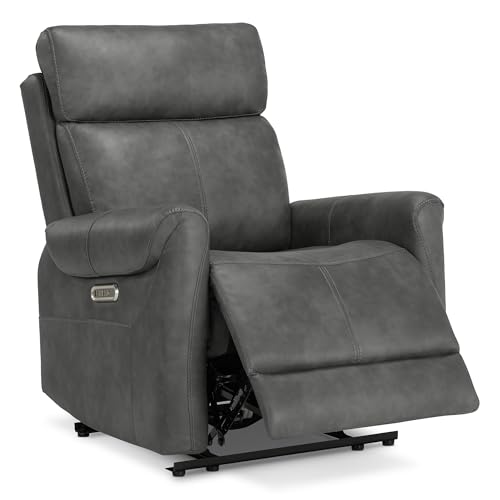
Why Wall Hugger Recliners Are a Game-Changer for Small Spaces
Small living rooms, studio apartments, and cozy dens all share the same challenge: every inch counts. Traditional recliners are notorious space hogs, requiring a significant gap behind them so the backrest can tilt backward. That gap often blocks walkways, consumes precious floor area, and forces furniture layouts into awkward compromises.
Wall hugger recliners solve this problem with a clever mechanical design. Instead of pushing backward, the seat and backrest glide forward on a track mechanism while the backrest stays close to vertical relative to the wall. The result is a full recline experience in a fraction of the footprint. For anyone searching for a small recliner chair that genuinely fits a compact room, a wall hugger model is often the most practical choice.
This design difference matters most in rooms where the sofa or recliner must sit close to a wall — a common scenario in apartments, townhomes, and open-plan layouts where the living zone is defined by proximity to walls rather than freestanding placement.
How Wall Hugger Recliners Work
Understanding the mechanism helps you evaluate models with confidence. A wall hugger recliner — sometimes called a wall saver recliner or zero-wall recliner — uses a sliding track system. When you push the footrest out and lean back, the entire seat assembly moves forward along the track while the backrest reclines within a compact envelope.
Traditional recliners pivot backward, which is why they need a large clearance zone behind them. The wall hugger approach reverses that geometry: the footprint grows forward instead of backward. In practical terms, this means a wall hugger recliner can sit 4–10 inches from the wall and still deliver a full, comfortable recline. If you are also considering a recliner that pairs with a sleeping solution, explore our guide to sofa beds and recliners for hybrid options.
💡 Quick Tip: Measure the wall clearance you can spare before shopping. If you have less than 12 inches behind your seating position, prioritize wall hugger models. A related space-saving mechanism is the zero clearance recliner, which can sit almost flush against the wall.
Wall Hugger vs Traditional Recliner: Side-by-Side Comparison
The table below summarizes the practical differences that matter when you are furnishing a small room.
| Feature | Wall Hugger Recliner | Traditional Recliner |
|---|---|---|
| Wall clearance needed | 4–10 inches | 18–24 inches |
| Recline motion | Seat slides forward | Backrest tilts backward |
| Best for | Small rooms, apartments, tight layouts | Rooms with generous open floor space |
| Footprint growth when reclined | Forward extension | Backward extension |
| Comfort features | Full recline, padding, lumbar support available | Full recline, padding, lumbar support available |
| Ideal pairing | Compact sofas, loveseats, corner layouts | Open living rooms with freestanding seating |
Key Features to Look for in a Wall Hugger Recliner for Small Spaces
Not all wall hugger recliners are equal. When floor space is limited, these features make the biggest difference in daily usability.
1. Recline Mechanism Quality
Entry-level wall hugger models use basic push-back or lever mechanisms. Mid-range models often add smooth glider or rocker functions. Top-tier models feature power recline with quiet motors and memory presets. If you want the convenience of electric operation, explore electric rocker recliners that combine rocking motion with power recline. A well-built mechanism is a long-term investment that pays off in daily comfort.
2. Compact Footprint and Dimensions
Check the overall width, depth, and height — not just the wall clearance. A recliner that fits your wall gap but overflows your walkway defeats the purpose. Look for models described as compact or apartment-friendly. If you need extra seating but have very limited room, a small recliner chair may be the better fit than a full-size wall hugger.
3. Lumbar Support and Cushioning
Small spaces should not mean compromised comfort. Look for wall hugger recliners with contoured lumbar support, high-density foam, and padded armrests. For buyers who prioritize back support, our guide to the reclining sofa with lumbar support covers comparable comfort features in sofa form.
4. Upholstery and Durability
Fabric, faux leather, and genuine leather are all common. In high-traffic small rooms, durable upholstery matters. Leather models are easier to wipe clean; performance fabrics resist stains. Consider how the recliner will share space with kids, pets, or daily snacks — and check our sofa cleaning and maintenance guide for care routines that keep upholstery looking fresh.
5. Swivel and Rocker Functions
In tight rooms, a swivel base adds flexibility: you can turn toward a TV, a conversation area, or a window without repositioning the chair. Rocker mechanisms add a gentle motion for relaxation. Many premium wall hugger recliners combine swivel, rocker, and recline in a single unit.
How to Arrange a Wall Hugger Recliner in a Small Living Room
Placement is where the wall hugger design truly shines. Here are proven layout strategies for compact spaces:
- Corner placement: Tuck the recliner into a corner near a window or lamp. The minimal wall clearance frees up floor space for a coffee table or walkway.
- Pair with a loveseat: A wall hugger recliner plus a loveseat creates a complete seating group without the bulk of a full sofa. See our grey loveseats collection for neutral pairing options.
- Floating layout: If the recliner sits away from the wall, you gain flexibility — but you also lose the space-saving benefit. Reserve wall hugger models for wall-adjacent positions.
- TV-focused arrangement: Face the recliner toward the TV wall, leaving a clear path behind. Wall hugger recliners are ideal here because they don't need rear clearance.
- Reading nook: A single wall hugger recliner beside a floor lamp and small side table turns an unused corner into a functional reading spot.
If your room also needs a sofa bed for guests, consider how a reclining sofa with pull out bed might complement a wall hugger recliner in a dual-purpose room. For rooms where the seating must sit low, browse sofas that sit on the floor as an alternative aesthetic.
Who Should Choose a Wall Hugger Recliner?
Wall hugger recliners are particularly well-suited to:
- Apartment dwellers with compact living rooms and limited wall clearance.
- Studio residents who need multi-functional furniture in a single open space.
- Homeowners with narrow living rooms where walkways must remain clear.
- Seniors and mobility-conscious buyers who want easy recline without repositioning furniture — see also lift recliner with heat and massage options for added support.
- Anyone pairing seating with a sectional or sofa in a tight arrangement — wall huggers avoid the rear-clearance conflict.
If you prefer a full sofa format but still need recline, explore reclining arm chairs for living room or a double recliner with heat and massage for shared comfort.
Common Mistakes to Avoid When Buying a Wall Hugger Recliner
- Ignoring the forward footprint. Wall hugger recliners save rear space but extend forward when reclined. Measure the forward extension against your walkway.
- Assuming all "space-saving" recliners are wall huggers. Verify the mechanism description — some compact recliners still need rear clearance.
- Overlooking the armrest width. Bulky armrests can make a compact recliner feel larger than its dimensions suggest.
- Skipping the wall clearance test. Even wall huggers need a few inches. Check baseboard and outlet positions before delivery.
- Forgetting about warranty and returns. Recliner mechanisms are mechanical; a solid warranty matters. Review our warranty and returns guide before ordering.