
Wing Back Arm Chairs For Sale: The Complete Buyer's Guide
Everything you need to know before choosing a wingback chair — style profiles, upholstery choices, comfort engineering, and room placement — so you can bring home a piece that looks refined and feels right for years.
Why wing back chairs remain a favorite: With their distinctive side wings, high backs, and tailored silhouettes, wingback armchairs bring a sense of heritage craftsmanship to modern interiors. Whether you are outfitting a reading nook, adding a statement accent to a living room, or looking for a supportive lounge chair, this guide walks you through what matters most when shopping for wing back arm chairs for sale.
What Makes a Wing Back Arm Chair Different?
A wing back arm chair — often written as wingback chair — is defined by two tall side panels, the “wings,” that rise from the backrest and curve forward around the occupant's head and shoulders. This silhouette originated in 17th-century England as a way to trap warmth from a fireplace and block drafts. Today the wings are as much a design statement as a functional feature: they frame the sitter, reduce ambient noise slightly, and create a cozy sense of enclosure that ordinary accent chairs lack.
Most wingback chairs also feature:
- High backrest — supports the shoulders and upper back for upright reading or conversation.
- Rolled or track arms — traditional models use scroll arms; contemporary versions often favor clean track arms.
- Upholstered frame — fully covered in fabric or leather, with cushioning across the seat, back, and arms.
- Exposed or hidden legs — turned wood legs for classic looks, tapered metal or wood legs for modern interiors.
If you are comparing this silhouette against other seating, our broader guides on white arm chairs for the living room and wooden arm chairs for the living room can help you weigh wingbacks against open-arm and wood-frame designs. For a leather-specific deep dive, see our wing back armchair leather guide.
Wing Back Chair Styles and Upholstery Options
The wingback silhouette adapts to nearly every interior style. Before browsing listings, decide which family of looks fits your room:
- Traditional / Georgian: rolled arms, nailhead trim, turned hardwood legs, and damask or velvet upholstery. Suited to classic and transitional living rooms.
- Mid-century modern: slimmer wings, tapered legs, and smooth fabric or leather in muted tones. Works well in open-plan and minimalist spaces.
- Contemporary: clean track arms, tight upholstery, and monochrome palettes. Often paired with metal legs for a lighter footprint.
- Reclining wingback: adds a hidden or visible reclining mechanism for lounging; see our wingback recliner chair and wingback recliner guides for mechanism details.
Choosing Upholstery
Fabric and leather each bring distinct advantages:
- Performance fabric: tightly woven synthetics resist stains and fading — a practical choice for family rooms and pet-friendly homes.
- Cotton and linen blends: breathable and textured, ideal for relaxed, coastal, or Scandinavian interiors.
- Velvet: rich and tactile, best reserved for low-traffic accent seating.
- Leather: ages gracefully, wipes clean easily, and suits both traditional and modern rooms. Our leather wingback guide covers grain grades and conditioning.
Tip: Request swatches before committing. Upholstery reads differently under natural light, and a wingback's large surface area makes color shifts more noticeable than on smaller chairs.
Wing Back Chair Quality Tiers Explained
Rather than focusing on numbers, evaluate wingback chairs by construction tier. The tier tells you how the frame, cushioning, and mechanism are built — and how long the chair is likely to hold up under daily use.
Entry-Level Tier
Particleboard or softwood frames, basic foam cushions, and stapled upholstery. Suitable for occasional accent seating in low-traffic rooms. Expect a lighter build and simpler reclining mechanisms if present.
Mid-Range Tier
Hardwood or engineered hardwood frames with corner-blocked joinery, high-density foam or pocket-spring seats, and smoother recliner mechanisms. A solid choice for everyday living room use.
Premium / Top-Tier
Kiln-dried hardwood frames, eight-way hand-tied springs, down-blend or high-resilience cushioning, and precision reclining hardware. Built for long-term daily lounging and heirloom-style longevity.
As a rule, moving up a tier typically brings a sturdier frame, more consistent cushion recovery, and quieter mechanisms. For reclining models, mid-range and premium tiers generally offer smoother glide and better lumbar support than entry-level builds.
Comfort Checklist: What to Verify Before You Buy
Wingback chairs look similar in photos but feel very different in person. Use this checklist to evaluate comfort and ergonomics:
- Seat height: your feet should rest flat on the floor with knees at roughly a 90-degree angle.
- Seat depth: aim for 20–22 inches for upright reading; deeper seats suit lounging but may require a lumbar pillow.
- Back angle: a slight recline (around 100–105 degrees) supports longer sitting sessions without slouching.
- Arm height: arms should support your forearms at a relaxed angle — important for reading and using a laptop.
- Wing clearance: the wings should frame your head without crowding your shoulders.
- Cushion fill: high-density foam holds shape; down-blend feels plusher but needs regular fluffing.
If you plan to lounge for extended periods, compare a stationary wingback against a wingback recliner chair, which adds adjustable back and footrest positions. For spaces where the chair must sit close to a wall, review zero-wall reclining options to understand how wall-clearance mechanisms work.
Where a Wing Back Chair Works Best in Your Home
Wingback chairs are versatile accent pieces. Consider these placement ideas:
- Reading corner: pair with a floor lamp and a small side table near a window. The wings block glare and create a sense of privacy.
- Fireplace flanking: a matched pair of wingbacks frames a hearth beautifully and nods to the chair's original purpose.
- Sofa accent: angle one wingback toward a sofa to form a conversation grouping without the visual weight of a second sofa.
- Bedroom sitting area: a single wingback with an ottoman creates a quiet retreat for reading or dressing.
- Home office: a supportive wingback can serve as a guest chair or a comfortable alternative to a task chair for video calls.
Leave at least 24 inches of walkway clearance around the chair, and angle it toward the room's focal point rather than pushing it flat against a wall. If you are coordinating with other upholstery, our guides on accent armchairs with ottomans and armchairs with lumbar support offer complementary pairing ideas.
| Room Context | Best Wingback Type | Why It Works |
|---|---|---|
| Small living room | Mid-range slipper-style wingback with tapered legs | Lighter visual footprint and easier maneuverability |
| Family room | Mid-range performance-fabric wingback | Stain resistance and durable cushioning for daily use |
| Reading nook | Premium stationary wingback with high back | Superior upper-back support for long reading sessions |
| Home theater | Premium reclining wingback | Adjustable recline and footrest for extended lounging |
Final Buying Checklist for Wing Back Arm Chairs
Before you complete your purchase, confirm these details:
- Measure the footprint including the recline path if the chair reclines.
- Check doorway and stair clearance — wingbacks are bulky; confirm the chair fits through entryways.
- Verify the frame material and joinery — kiln-dried hardwood with corner blocks is a strong sign of durability.
- Review cushion construction — high-density foam or pocket springs for shape retention.
- Confirm upholstery care instructions — especially for performance fabrics and leather.
- Check the return policy and warranty — seating is personal; make sure you can exchange if comfort misses the mark.
- Read verified reviews focused on long-term durability, not just initial impressions.
For broader context on matching a wingback with the rest of your seating plan, explore our white accent armchair guide and wood armchair overview. If you are building a full room scheme, our whole room furniture packages article shows how accent chairs fit into coordinated sets.
Recommended Wing Back Arm Chairs
⚠️ AFFILIATE DISCLOSURE: This website contains affiliate links. As an affiliate Associate, we earn from qualifying purchases. If you make a purchase through these links, we may receive a small commission at no additional cost to you. Read our full affiliate policy.

EROMMY Floral Accent Chair, Comfortable High Back Upholstered Armchair with Solid Wood Legs, Leisure Single Sofa Chair for Living Room, Bedroom, Home Office, Light Blue Floral&Bird
Check price on Amazon
choairy Accent Chair for Living Room, Mid Century Modern Upholstered Armchair, Wingback Chair with Tufted High Back and Solid Legs, Comfy Single Sofa Side Chairs for Bedroom, Light Grey
Check price on Amazon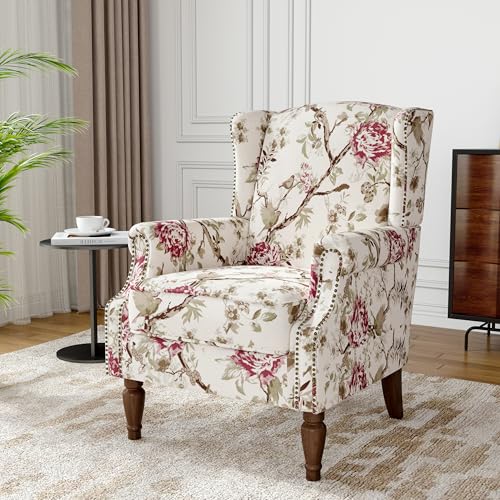
Qatiby Floral Wingback Accent Chair, High Back Upholstered Armchair, Beige | Comfy Fabric Wingback Arm Chairs with Solid Wood Legs, High-Resilient Foam Seat, Reading Chair for Living Room Bedroom
Check price on Amazon
choairy High Back Accent Chair for Living Room,Vintage Wingback Armchair, Upholstered Reading Sofa Chair with Solid Wood Legs Comfy for Bedroom Home Office Orange
Check price on Amazon
ANARACHON Leather Look Wingback Chair Covers, 2-Piece Wing Chair slipcover, Stretch Wing Back Armchair Slipcovers with Elastic Bottom, Soft Spandex Furniture Protector for Living Room (02BR)
Check price on Amazon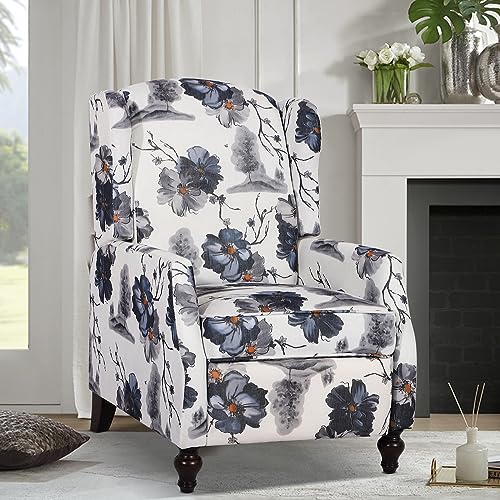
B BAIJIAWEI Wingback Recliner Chair - Tufted Arm Chair Recliner - Fabric Push Back Single Sofa for Living Room Adjustable Backrest (Blue Floral)
Check price on Amazon
PALLOME Wingback Recliner Chair, Push Back Arm Chair (1,Navy Blue) | Recliner Chair with Massage & Heat, Wingback Chair for Living Room Bedroom Home Theater
Check price on Amazon
Christopher Knight Home Wingback Accent Chair, Fabric Club Chair, Upholstered Armchair, Curved Backrest Single Sofa, Soft Cushion Seating, Comft Lounge Chair for Living Room Reading Home Rest, Camel
Check price on AmazonFrequently Asked Questions About Wing Back Chairs
What is a wing back arm chair?
A wing back arm chair is an upholstered chair with tall side panels — the wings — that extend from the backrest toward the front. Originally designed to shield occupants from drafts and fireplace heat, wingbacks are now popular accent and reading chairs in living rooms, bedrooms, and home offices.
How do I choose the right wing back chair for my living room?
Start with your room size and layout, then choose upholstery that matches your lifestyle. Measure the chair's footprint and walkway clearance, decide between stationary and reclining models, and test seat depth and arm height where possible. Matching the chair's style to your existing decor keeps the room cohesive.
Are wingback chairs comfortable for long periods?
Comfort depends on cushion fill, seat depth, and back angle. Mid-range and premium wingbacks typically use high-density foam or pocket springs that support longer sitting sessions. Reclining wingback models add adjustable recline and footrests for extended lounging.
Where should I place a wing back chair?
Wingbacks work well in reading corners near windows, flanking a fireplace, paired with a sofa as accent seating, or in a bedroom sitting area. Angle the chair toward the room's focal point and leave at least 24 inches of walkway clearance for comfortable movement.
Fabric or leather — which is better for a wingback?
Leather wipes clean easily and develops a rich patina over time, making it a strong choice for high-traffic rooms and households with pets. Performance fabric offers similar stain resistance with a softer hand. Velvet and linen blends suit lower-traffic accent placements where texture matters most.