
Armchair & Occasional Chair: Complete Buying Guide
Discover how to choose the perfect armchair or occasional chair to complete your living room. Explore styles, comfort features, and practical considerations for accent seating that enhances both form and function.
EXPLORE TOP PICKSWhy an Armchair or Occasional Chair Belongs in Every Living Room
An armchair or occasional chair is more than just extra seating—it is a design statement, a comfort zone, and a functional addition to any living space. Whether you need a dedicated reading spot, a stylish accent piece to complement your main sofa, or a versatile chair that adapts to different occasions, the right armchair can transform how you use and enjoy your living room.
Unlike large sectionals or standard sofas, armchairs and occasional chairs offer flexibility. They can be moved easily, repositioned for conversation, or placed in a quiet corner for solitary relaxation. For homeowners researching their next living room purchase, understanding the nuances of armchair construction, upholstery, and style is essential for making a confident decision.
Key Insight: The best armchair for your home balances three factors: comfort that suits your body and usage habits, a style that harmonizes with your existing decor, and a build quality that will hold up over years of daily use. This guide walks you through each of these considerations in detail.
Armchair vs. Occasional Chair: Understanding the Difference
While the terms are often used interchangeably, armchairs and occasional chairs serve slightly different purposes. Understanding these distinctions helps you choose the right piece for your space.
What Is an Armchair?
An armchair is a comfortable upholstered chair with side supports for the arms, designed for extended sitting. It typically features a deep seat, cushioned back, and supportive armrests. Armchairs are built for relaxation—think of them as a personal sofa for one person.
- Designed for long periods of sitting
- Usually features deep cushioning and lumbar support
- Common in living rooms, bedrooms, and home offices
- Often paired with a footstool or ottoman
What Is an Occasional Chair?
An occasional chair is a lighter, more decorative chair intended for short-term use—hence the name "occasional." It is often used as accent seating, filling empty corners or providing extra seats during gatherings without dominating the room.
- Designed for short-term or occasional sitting
- Usually lighter and easier to move
- Often more decorative and stylized
- Common in entryways, bedrooms, and formal living areas
In practice, many modern chairs blur the line between these two categories. A well-designed armchair can serve as an occasional chair, and a sturdy occasional chair can provide comfortable seating for hours. The key is to evaluate each piece based on your specific needs and how you plan to use it.
Types of Armchairs and Occasional Chairs
The market offers a wide range of armchair and occasional chair styles, each with distinct characteristics. Here is a breakdown of the most common types to help you narrow down your options.
| Type | Best For | Key Characteristics | Tier |
|---|---|---|---|
| Reclining Armchair | Maximum relaxation and lounging | Mechanical or power recline, footrest, plush cushioning | Mid-range |
| Wingback Chair | Reading nooks, classic interiors | High back with side "wings," supportive seat, traditional design | Premium |
| Club Chair | Conversation areas, formal living rooms | Low back, deep seat, thick padding, boxy silhouette | Mid-range |
| Accent Chair | Adding color or style to a room | Distinctive design, bold upholstery, decorative frame | Entry-level |
| Swivel Chair | Flexible seating, open floor plans | 360-degree rotation, compact footprint, modern design | Mid-range |
| Glider Armchair | Nurseries, family rooms | Smooth gliding motion, often with recline and footrest | Mid-range |
| Barrel Chair | Contemporary and transitional spaces | Curved back wrapping into arms, compact, cozy feel | Mid-range |
| Chaise Lounge | Full-body relaxation, spa-like spaces | Elongated seat for legs, one-sided armrest, reclined back | Premium |
For those who prioritize comfort and functionality, a reclining armchair for living room use is an excellent choice. These chairs combine the comfort of a recliner with the style of a traditional armchair, making them a versatile addition to any living space. If you have limited space, a small recliner chair can provide the same comfort in a compact footprint.
Recommended Armchair & Occasional Chair
⚠️ AFFILIATE DISCLOSURE: This website contains affiliate links. As an affiliate Associate, we earn from qualifying purchases. If you make a purchase through these links, we may receive a small commission at no additional cost to you. Read our full affiliate policy.

VASAGLE Accent Chair, PU Leather Armchair, Button Tufted, Thick Cushion | Mid Century Modern Lounge Seating, Living Room Chair, Bedroom, Reading Nook, Home Office, Tan, MARY Collection ULYY200KZ02S
Check price on Amazon
VINGLI Accent Chair, Chenille Upholstered Armchair, 380 LBS, Living Room | Light Brown Mid-Century Reading Chair, Comfy Bedroom Chair for Small Spaces, Apartment with Washable Cover, Easy Assembly
Check price on Amazon
VINGLI Accent Chair, Chenille Upholstered Armchair, 380 LBS, Living Room | Olive Green Mid-Century Reading Chair, Comfy Bedroom Chair for Small Spaces, Apartment with Washable Cover, Easy Assembly
Check price on Amazon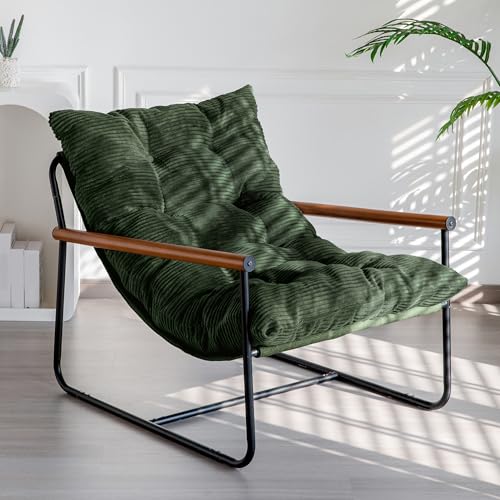
MAXYOYO Modern Accent Chair, Comfy Living Room Chair with Metal Frame | Accent Chair Upholstered Armchair with Soft Cushion for Bedroom Balcony Lounge Reading Room, Dark Green
Check price on Amazon
VINGLI Accent Chair, Chenille Upholstered Armchair, 380 LBS, Living Room | Navy Blue Mid-Century Reading Chair, Comfy Bedroom Chair for Small Spaces, Apartment with Washable Cover, Easy Assembly
Check price on Amazon
choairy Accent Chair for Living Room, Mid Century Modern Reading Chair for Bedroom, Upholstered Armchair with Side Pockets, Comfy Single Sofa Side Chair for Office, Apartment, Small Room, Teal Green
Check price on Amazon
Vintage Floral Accent Chair, Upholstered High Back Lounge Armchair for Living Room, Nailhead Trim Corner Sofa Chair, Comfy Single Reading Side Chairs with Wood Legs for Adults (Blue and White Stripes)
Check price on AmazonKey Features to Evaluate Before Buying
When comparing armchairs and occasional chairs, it is important to look beyond surface aesthetics. The following features directly impact comfort, durability, and long-term satisfaction. Use this checklist as a framework for evaluating any chair you are considering.
1. Frame Construction
The frame is the skeleton of any armchair. A solid hardwood frame (such as kiln-dried oak, maple, or beech) provides the best foundation for durability. Look for corner blocks, doweled joints, and reinforced construction. Avoid frames made primarily of particleboard or softwood, which are more prone to warping and loosening over time. Heavy-duty frames are especially important for reclining armchairs, where the mechanism adds stress to the structure.
2. Upholstery Material
The upholstery determines not only how the chair looks but also how it wears and how easy it is to maintain. Here is a quick comparison of common upholstery options:
- Leather: Durable, easy to clean, develops a patina over time. Ideal for high-traffic areas and households with pets (though scratching is a consideration). Premium leather upholstery can last for decades with proper care.
- Microfiber: Soft, stain-resistant, and forgiving for families with children. Mid-range microfiber offers a good balance of comfort and durability.
- Cotton and Linen: Breathable and comfortable, but more prone to staining and wrinkling. Best for low-traffic areas or formal spaces.
- Velvet: Luxurious appearance and soft feel, but requires more careful maintenance. Not ideal for homes with pets that shed heavily.
- Faux Leather: A more accessible alternative to genuine leather, with good stain resistance and easy cleaning. Entry-level faux leather may show wear sooner than premium options.
For those who prefer leather, exploring leather upholstery options can provide additional insight into durability and care requirements. If you are considering a leather recliner, a gray leather swivel rocker recliner offers both style and functionality.
3. Cushion and Padding Quality
The seat cushion and back padding are what you feel every time you sit down. High-density foam (2.0 lbs/ft³ or higher) retains its shape better than low-density foam. Some premium chairs use pocketed coil springs or a foam-and-down blend for a more luxurious feel. Removable, reversible cushions extend the life of the chair by allowing even wear.
4. Reclining Mechanism (If Applicable)
If you are considering a reclining armchair, the mechanism is a critical component. Manual recliners use a lever or push-back system, while power recliners use an electric motor controlled by a button or remote. Mid-range and premium recliners typically offer smoother, quieter mechanisms with more positions. Heavy-duty recliners are designed for larger users and offer higher weight capacities. For specialized needs, a lift recliner with heat and massage combines multiple comfort features in one chair.
5. Size and Proportions
Armchairs come in a range of sizes, from compact accent chairs to oversized loungers. Measure your space carefully and consider the chair's dimensions in relation to your existing furniture. A chair that is too large will overwhelm a small room, while one that is too small may look out of place in a spacious living area. Pay attention to seat height, seat depth, and arm height—these dimensions directly affect comfort for different body types.
How to Choose the Right Armchair for Your Space
Selecting an armchair is a personal decision that depends on your lifestyle, room layout, and design preferences. Here is a step-by-step approach to making the right choice.
Step 1: Define the Primary Use
Will this chair be your main relaxation spot for reading and watching TV, or is it primarily decorative accent seating for guests? If comfort is the priority, look for deep cushioning, supportive backrests, and perhaps a reclining mechanism. If style is the priority, you have more freedom to choose bold designs and distinctive silhouettes.
Step 2: Measure Your Space
Before shopping, measure the available floor space and note the traffic flow in your room. A general rule of thumb is to leave at least 18 inches of clearance around the chair for easy movement. If you have a small living room, a swivel chair or a compact barrel chair can provide comfortable seating without consuming too much floor area. For more ideas on optimizing small spaces, see our guide to small living room solutions.
Step 3: Match Your Design Style
The armchair should complement the overall aesthetic of your living room. A mid-century modern space pairs well with tapered-leg accent chairs, while a traditional room calls for a wingback or club chair. For eclectic interiors, a bold accent chair in a contrasting color can serve as a focal point. Consider the fabric color and texture in relation to your sofa, rug, and wall color.
Step 4: Consider Additional Features
Modern armchairs offer a variety of features that enhance comfort and convenience. Heated recliner chairs provide warmth during colder months, while chairs with built-in USB ports keep your devices charged. If you have mobility concerns, a heavy-duty lift chair offers powered assistance for standing up. For households with pets, choose a chair with durable, easy-to-clean upholstery and consider a sofa cleaning and maintenance routine that includes your new chair.
Step 5: Review Warranty and Return Policy
Before finalizing your purchase, review the manufacturer's warranty and the retailer's return policy. A solid warranty (at least one year for the frame and mechanism) indicates confidence in the product's quality. Understanding warranty and return policies protects you in case the chair does not meet your expectations.
Placement Ideas for Armchairs and Occasional Chairs
Where you place your armchair has a significant impact on both its function and the overall feel of the room. Here are some proven placement strategies:
- Conversation Triangle: Place two armchairs facing the sofa at an angle to create an intimate conversation area. This arrangement works well in open-concept living rooms.
- Reading Corner: Tuck an armchair into a quiet corner with a floor lamp and a small side table. A wingback chair or a cozy barrel chair is ideal for this setup.
- Focal Point Flanking: Position matching armchairs on either side of a fireplace, TV console, or large window to create symmetry and visual balance.
- Entryway Accent: A stylish occasional chair in the entryway provides a convenient spot to sit while putting on shoes and adds a welcoming touch.
- Bedroom Retreat: A compact armchair in the bedroom creates a private reading or relaxation nook without requiring a separate room.
When arranging furniture, avoid blocking natural walkways. The chair should feel intentional—like it belongs in its spot—rather than an afterthought. For a cohesive look, coordinate the chair's upholstery with your existing throw pillows or area rugs.
Comfort and Ergonomics: What to Look For
A chair that looks beautiful but feels uncomfortable is a missed opportunity. When evaluating comfort, pay attention to these ergonomic factors:
- Seat Height: The seat should allow your feet to rest flat on the floor with your knees at roughly a 90-degree angle. For most adults, this means a seat height of 18–20 inches.
- Seat Depth: A seat depth of 20–22 inches works for most people. Deeper seats accommodate taller users, while shallower seats suit smaller body types.
- Back Support: The backrest should support your lower back without forcing your shoulders forward. A slight recline (around 105–110 degrees) is generally more comfortable than a perfectly upright back.
- Armrests: Armrests should be high enough to support your forearms comfortably when sitting, but not so high that they interfere with movement. Padded armrests are more comfortable for extended sitting.
- Cushion Firmness: A cushion that is too soft will bottom out quickly, while one that is too firm may feel uncomfortable. Medium-firm cushions generally offer the best balance of support and comfort.
For users with specific comfort needs, an ergonomic sofa and chair guide can provide additional guidance on selecting furniture that supports healthy posture.
Caring for Your Armchair
Proper care extends the life of your armchair and keeps it looking its best. Here are essential maintenance tips:
- Vacuum regularly: Use a soft brush attachment to remove dust and debris from upholstery every week or two.
- Rotate cushions: If your chair has removable cushions, flip and rotate them periodically to ensure even wear.
- Clean spills immediately: Blot (do not rub) spills with a clean, dry cloth. For specific stain removal guidance, refer to our stain removal guide.
- Protect from sunlight: Prolonged exposure to direct sunlight can fade upholstery. Position the chair away from direct sun or use curtains to filter light.
- Condition leather: If your armchair is leather, apply a leather conditioner every 6–12 months to keep it supple and prevent cracking.
- Check the mechanism: For reclining chairs, periodically inspect the mechanism for loose screws or worn parts, and lubricate moving components as recommended by the manufacturer.
Frequently Asked Questions
Final Thoughts
An armchair or occasional chair is a valuable addition to any living room, offering comfort, style, and flexibility that larger furniture pieces cannot match. By understanding the different types, evaluating key features like frame construction and upholstery, and carefully considering placement, you can select a chair that enhances your space for years to come.
Whether you are drawn to a plush recliner for ultimate relaxation, a sleek accent chair for visual interest, or a classic wingback for a reading nook, the right choice starts with understanding your needs. Use this guide as a reference, compare your options thoughtfully, and invest in a chair that brings both comfort and joy to your home.
Ready to explore specific models? Browse our curated selection of armchairs and occasional chairs above, or explore related topics like glider armchairs for nurseries and family rooms, or heated recliner chairs for added warmth and comfort.