
Sofa Table for Small Spaces: The Complete Buying Guide
Discover how a slim, well-placed sofa table can transform a compact living room into a functional, organized, and beautifully styled space — without stealing valuable floor area.
Why a Sofa Table Belongs in Every Small Living Room
A sofa table — sometimes called a console table or behind-the-couch table — is one of the most underrated pieces of furniture for compact homes. Unlike a traditional coffee table that occupies the center of the room, a sofa table sits along the back of the couch, using vertical space and the often-wasted strip behind the seating area. For anyone researching a sofa table for small spaces, the appeal is straightforward: it adds a landing surface for lamps, drinks, and decor while preserving walking clearance.
In small rooms, every inch of floor matters. A slim sofa table with a depth of just 10 to 14 inches can deliver the utility of a full console without the footprint. It also solves a common layout problem — what to do with the gap between the sofa and the wall. Instead of leaving it empty or pushing the couch against the wall (which can block air vents and damage fabric), a narrow table fills the space with purpose.
Key insight: The best small-space sofa tables are shallow in depth, tall enough to sit just below the sofa back, and open in structure so they do not visually crowd the room. Prioritize function per square inch rather than surface area alone.
Beyond storage, a sofa table acts as a visual anchor. It creates a clean horizontal line behind the couch, frames the seating zone, and gives you a place to style a table lamp, a small plant, or a tray for remote controls and reading glasses. In open-concept apartments, it can even serve as a soft divider between the living area and a dining nook, all while remaining easy to move when the layout changes.
Sizing and Depth Guide: Finding the Right Fit
Getting the dimensions right is the single most important decision when shopping for a compact sofa table. Too deep and it blocks the walkway; too tall and it competes with the sofa back; too short and it looks undersized against a full-size couch. Use the guide below as a starting framework and adjust based on your specific room.
Depth: The Small-Space Priority
Depth is measured front to back. In tight rooms, aim for 10 to 14 inches. Slimmer options around 8 to 10 inches work well in hallways or narrow apartments where the sofa sits close to a doorway. If you plan to place a lamp and a few accessories, 12 to 14 inches provides a more stable surface without inviting clutter.
Length: Match or Slightly Exceed the Sofa
A sofa table that is roughly 50 to 75 percent of the sofa length looks intentional and balanced. For a 72-inch couch, a table between 36 and 54 inches is a comfortable range. A table that is too long can make a small room feel cramped; one that is too short can look like an afterthought.
Height: Sit Just Below the Sofa Back
Most standard sofa backs measure 30 to 34 inches from the floor. A sofa table in the 28 to 32 inch range sits slightly lower, keeping sightlines open and allowing lamps to be seen from the front of the room. If your sofa has a low back, choose a shorter table or one that is intentionally taller as a design statement.
| Room Type | Recommended Depth | Recommended Length | Best For |
|---|---|---|---|
| Studio apartment | 8–10 inches | 30–42 inches | Minimal clearance, narrow walkways |
| Small living room | 10–12 inches | 40–52 inches | Lamp, tray, and a few decor pieces |
| Compact family room | 12–14 inches | 48–60 inches | Storage shelf plus display surface |
| Open-concept zone | 12–14 inches | 50–64 inches | Soft divider between living and dining |
Tip: Always measure the gap between your sofa back and the nearest wall, doorway, or furniture before ordering. Leave at least 18 inches of walking clearance on the side where people pass most often.
Smart Placement Strategies for Tight Layouts
Where you place the table matters as much as its dimensions. In small spaces, the position of a sofa table can improve traffic flow, define zones, and even solve storage problems. Consider these approaches:
Behind the Sofa
This is the classic position and the most space-efficient. The table fills the gap between the couch and the wall, provides a surface for a lamp, and keeps the front of the room open. If the sofa floats in an open plan, a behind-the-sofa table creates a subtle boundary between the seating area and the space beyond.
Along a Wall as a Console
When the sofa sits against a wall, a slim table can move to an adjacent wall and act as a console near the entry, beside a window, or under a piece of art. This keeps the seating area uncluttered while still delivering a landing surface for keys, mail, or a table lamp.
In Front of the Sofa
In very narrow rooms where a traditional coffee table feels bulky, a shallow console can be used as a front-facing surface. Choose a depth under 14 inches and leave enough legroom for seated guests. This works best in rooms where the sofa faces a wall-mounted television.
As a Room Divider
In studio apartments and open-concept homes, a long, narrow sofa table placed behind a floating couch can separate the living zone from a sleeping or dining area. Pair it with a low-profile lamp or a row of small plants to strengthen the visual divide without building a wall.
Pro tip: If your sofa sits against a radiator or air vent, use an open-frame table so air can circulate. Avoid solid-back consoles that trap heat or block airflow in compact rooms.
Styles and Materials That Save Space
The right style keeps a small room feeling light and airy. Heavy, bulky furniture can make a compact living area feel smaller, while open and visually lightweight designs preserve a sense of openness. Here are the styles that work best:
Glass and Metal Frames
Glass tops and slim metal legs create a transparent effect, allowing light and sightlines to pass through. These tables are ideal for narrow rooms because they do not visually block the space. Look for tempered glass and powder-coated steel frames for durability.
Open-Frame Wood Designs
Solid wood or engineered wood frames with open sides and a lower shelf offer storage without the visual weight of a closed cabinet. Choose a finish that complements your sofa legs or flooring to create a cohesive look.
Nested and Foldable Options
For the smallest apartments, a nesting or folding sofa table can be tucked away when not in use. These are especially useful in multipurpose rooms where the layout changes between day and night.
Wall-Mounted Consoles
A wall-mounted floating console above the sofa back eliminates legs entirely and keeps the floor clear. This is a strong option for rooms where vacuuming and cleaning access matter, and it works well with modern sofa designs for small living rooms.
Material choice also affects maintenance. Glass wipes clean easily, metal resists scratches, and wood requires occasional polishing. In homes with pets, consider a pet-friendly sofa setup and pair it with a table that has rounded edges and a stable base.
Multi-Functional Uses That Justify the Footprint
In a small room, every piece of furniture should earn its place. A sofa table can serve several roles at once, which makes it a smart addition even when floor space is limited.
- Lighting platform: A table lamp on a sofa table provides ambient light without consuming floor space, which is especially valuable in apartments with limited outlets.
- Storage surface: Use a tray to corral remotes, coasters, and reading glasses. Some designs include a lower shelf for baskets or books.
- Charging station: Place a small power strip or charging dock on the table to keep devices organized and off the couch cushions.
- Display area: A rotating selection of decor — a vase, a small sculpture, or a framed photo — adds personality without requiring wall space.
- Soft room divider: In open layouts, the table marks the boundary between living and dining zones while remaining easy to move.
If you are furnishing a studio, combine a sofa table with a small sofa for studio apartment and a compact sofa side table with storage to create a complete, efficient seating zone. For rooms with limited wall space, a console for the living room can double as an entryway catch-all.
Common Mistakes to Avoid
Even a well-chosen sofa table can backfire if it is sized or placed poorly. Watch out for these frequent pitfalls:
- Choosing too much depth: A table deeper than 14 inches can block walkways and make the room feel cramped. Measure the gap before you buy.
- Ignoring the sofa height: A table that sits far above or below the sofa back disrupts the visual line of the room.
- Overloading the surface: A small table with too many items looks cluttered. Edit your decor and use a tray to group small objects.
- Blocking vents or radiators: Solid-back tables can trap heat and reduce airflow. Choose open designs near HVAC components.
- Skipping anti-tip anchoring: Narrow tables can tip if bumped. Use furniture straps or wall brackets, especially in homes with children or pets.
If your room is especially tight, consider a small sofa for small rooms paired with a slim console rather than a full-size couch and coffee table combination. This pairing keeps the layout flexible and easy to reconfigure.
Quick Comparison by Quality Tier
Instead of focusing on numbers, compare sofa tables by build quality and intended use. The table below uses universal tier descriptors to help you match a product to your needs.
| Tier | Typical Build | Best For | Notes |
|---|---|---|---|
| Entry-level | Engineered wood, basic metal frame | Rentals, temporary setups, light use | Solid choice for a starter apartment |
| Mid-range | Solid wood or reinforced metal, tempered glass | Everyday living rooms, family use | Good value for its tier; smoother finishes |
| Premium | Hardwood, powder-coated steel, quality joinery | Long-term homes, high-traffic areas | Durable construction with refined details |
| Luxury | Solid hardwood, designer hardware, hand-finished surfaces | Statement pieces in curated interiors | Flagship-tier craftsmanship and materials |
Use this as a relative guide. A mid-range table with reinforced joinery often outperforms a premium model with a fragile finish in a busy household.
Recommended Sofa Tables for Small Spaces
⚠️ AFFILIATE DISCLOSURE: This website contains affiliate links. As an affiliate Associate, we earn from qualifying purchases. If you make a purchase through these links, we may receive a small commission at no additional cost to you. Read our full affiliate policy.

HOOBRO Narrow Console Table, 29.5" Small Entryway Table, Thin Sofa Side Display Table, for Hallway, Bedroom, Living Room, Foyer, Rustic Brown and Black BF75XG01
Check price on Amazon
SUPERJARE 78.8 inch Narrow Behind Couch Table with 2 Charging Stations | 2 AC Outlets with USB-C Ports, Extra Storage Behind Sofa, Sofa Table Console Table for Entryway Living room, Rustic Brown
Check price on Amazon
Simple Trending Narrow Entryway Table, 32" Console Table with Storage Shelf | Behind Couch Table with Shelf, Side Table with Shoe Storage, Sofa Table for Living Room, Small Space, 32"L x 10.5"D x 30.5"H
Check price on Amazon
Vantimo 3-Tier Side Table, Small End Table, Sofa Side Table for Narrow Spaces, Slim End Table, Nightstand Table, for Living Room Bedroom Office, Rustic Brown
Check price on Amazon
HOOBRO 29.5" Narrow Console Table, 3-Tier Entryway Table, Thin Sofa Table | Behind Couch Sofa Table with Shelves, Display Side Table, for Hallway Entrance Living Room Bedroom Rustic Brown and Black
Check price on Amazon
Huuger 102.4 Inch Sofa Table with Power Outlets, Skinny Behind Couch Table | Console Table with USB-C Ports, 23.9’’-34.4’’ Height Adjustable Range, Sofa Tables Narrow Long for Small Spaces, Rustic Brown
Check price on Amazon
Huuger 78.7" Console Table with Outlets, 22.8"-33.3" Height Adjustable | Behind Couch Table with 2 Power Stations & USB-C Ports, Extra Long Sofa Table, Slim Entryway Table
Check price on Amazon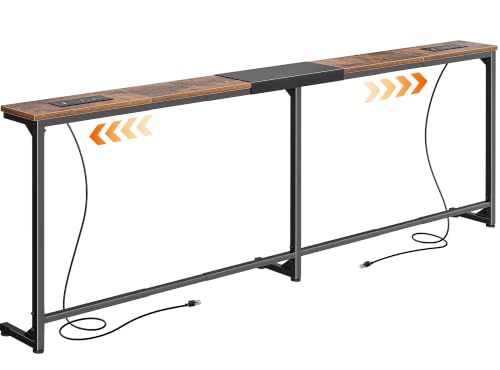
Huuger 63.4-78.3'' Extendable Behind Couch Table with Outlets, Rustic Brown | Stepless Length Adjustment, 2 Power Stations with USB-C Ports, Long Console Table, Slim Sofa Table 1ST082Z
Check price on AmazonFrequently Asked Questions
A depth between 10 and 14 inches works well for most compact living rooms. Slimmer models around 8 to 10 inches are best for tight walkways, while 12 to 14 inches offers more surface area for lamps and decor without overwhelming the room.
Aim for a table that sits slightly lower than or level with the back of your sofa, typically 28 to 32 inches tall for standard couches. This keeps the silhouette balanced and ensures lamps and accessories are visible from the front of the room.
Yes, a slim console can serve as a front-facing surface in tight layouts where a traditional coffee table feels too bulky. Choose one with a sturdy frame and a depth under 14 inches so there is still comfortable legroom for seating.
Glass and metal frames keep the visual footprint light, while solid wood and engineered wood provide durability. For narrow rooms, open-frame designs with lower shelves offer storage without adding bulk.
Use furniture straps or anti-tip brackets to secure the table to the wall or to the back of the sofa frame. This is especially important in households with children or pets and in narrow walkways where the table is easy to bump.
Final Buying Checklist
Before you finalize your choice, run through this quick checklist to make sure the table will work in your specific room:
- Measure the gap between the sofa back and the wall, doorway, or nearest furniture.
- Confirm the table depth is 14 inches or less for tight layouts.
- Check the table height against your sofa back (28 to 32 inches is a safe range).
- Decide whether you need a lower shelf for storage or prefer a fully open frame.
- Choose a material that matches your maintenance preferences and household activity level.
- Plan for anti-tip anchoring if the table is narrow or placed in a walkway.
- Leave at least 18 inches of walking clearance on the busiest side.
With the right dimensions and placement, a sofa table can turn an awkward gap into one of the most useful surfaces in your home. Whether you are styling a small L-shaped sofa or a compact loveseat, the principle remains the same: choose slim, open, and purposeful furniture that respects the scale of the room.