
Sofa Legs Wooden: Complete Guide to Wooden Sofa Legs & Styles
Discover how wooden sofa legs define the look, comfort, and durability of your couch. Compare leg styles, wood species, finishes, and replacement tips before you choose your next sofa.
EXPLORE WOODEN LEG OPTIONSWhy wooden sofa legs matter: The legs are one of the most overlooked yet visually powerful parts of a sofa. They influence the silhouette, the perceived weight of the piece, the seat height, and even how easy it is to clean underneath. This guide walks you through every wooden leg style, wood type, and finish so you can choose confidently.
What Are Wooden Sofa Legs?
Wooden sofa legs are the structural supports that lift a couch off the floor. Beyond function, they are a design statement. A sofa with slim tapered legs feels light and modern, while a sofa with turned or cabriole legs reads traditional and substantial. The wood species, finish, and shape all work together to determine how the sofa fits into your living room.
Wooden legs are typically bolted onto a hardwood frame using mounting plates or threaded inserts. This makes them replaceable, which is useful if a leg gets damaged or if you want to refresh the look of an older piece. If you are also considering a frame refresh, pairing new legs with a quality sofa with wooden arms and legs can create a cohesive, warm aesthetic.
Popular Wooden Sofa Leg Styles
Leg style is the fastest way to read a sofa's design language. Here are the most common wooden leg profiles and the interiors they suit best.
Tapered Legs
Narrow at the bottom and wider at the top, tapered legs are the signature of mid-century modern design. They create an airy, floating look and work beautifully in Scandinavian and contemporary spaces.
Turned Legs
Shaped on a lathe with curves and rings, turned legs add classic character. They pair well with rolled arms and formal upholstery, giving a timeless, furniture-heirloom feel.
Straight Block Legs
Clean, square, and simple. Block legs offer maximum stability and a grounded look. They are common on modular sofas and minimalist designs where the frame should stay visually quiet.
Cabriole Legs
Curved outward at the knee and inward at the ankle, cabriole legs are ornate and classical. They suit antique-inspired and formal living rooms with rich upholstery.
Splayed Legs
Angled outward for stability and a relaxed, organic feel. Splayed legs are common in Nordic and Japandi designs and pair well with light wood finishes.
Angled & Chamfered Legs
Faceted or chamfered edges add a subtle architectural detail. These legs feel contemporary and work well with fabric sofas in open-plan spaces.
Which Wood Species Are Best for Sofa Legs?
The wood species affects strength, grain pattern, and how the finish reads in your room. Hardwoods are the standard for load-bearing legs because they resist denting and hold screw threads well.
- Oak: Dense, durable, and open-grained. A premium and high-end tier choice for modern and farmhouse interiors.
- Walnut: Rich, dark grain with a luxury feel. Excellent for mid-century and formal sofas.
- Maple: Fine, even grain and very hard. A balanced mid-range to premium option that takes stain well.
- Ash: Strong and springy with a pronounced grain. Often used for bent or sculpted legs.
- Beech: A solid mid-range hardwood commonly used for turned legs.
- Rubberwood: An entry-level to mid-tier choice that is stable and widely used in mass-produced sofas.
If you are also evaluating upholstery durability, our guide to sofa material that is easy to clean pairs well with choosing a wood finish that hides scuffs.
Wooden Sofa Legs Comparison by Tier
Use this table to match leg construction to your design goals and expected durability. Tier descriptors reflect market position, not specific figures.
| Tier | Typical Wood | Common Styles | Best For |
|---|---|---|---|
| Entry-level | Rubberwood, pine blends | Straight block, simple taper | First apartments and casual spaces |
| Mid-range | Beech, maple | Tapered, splayed, turned | Family living rooms and daily use |
| Premium | Oak, ash | Tapered, chamfered, sculpted | Design-forward living rooms |
| Luxury | Walnut, solid oak | Turned, cabriole, custom profiles | Formal and heirloom sofas |
| Commercial-grade | Hard maple, reinforced oak | Reinforced block, heavy-duty taper | High-traffic and hospitality seating |
Finishes That Change the Mood
A finish can make the same leg profile feel casual or formal. Natural oil finishes highlight grain and suit Scandinavian and organic interiors. Warm stains add coziness to traditional rooms. Dark espresso and black finishes create contrast and lean modern. Matte finishes reduce glare and feel understated, while satin finishes add a soft sheen that pairs well with velvet and woven upholstery.
If you are layering textures, our sofa upholstery fabric guide can help you balance wood tones with fabric weight and weave.
Design note: Wooden legs also set the seat height and the visual clearance under the sofa. Lower legs make a room feel grounded and cozy, while taller legs make the space feel larger and easier to vacuum. If you have a compact room, pair slender wooden legs with a sectional sofa for a small living room to maximize visual space.
Replacing or Upgrading Wooden Sofa Legs
Replacing legs is one of the easiest ways to refresh a sofa. Before you start, check the mounting type: most sofas use bolt-on legs with a mounting plate, while some use threaded inserts. Measure the existing bolt diameter and length, and confirm the new legs support the sofa's weight. Swap all four legs at once to keep the frame level.
- Match the bolt thread and length to the original hardware.
- Choose hardwood legs for load-bearing corners.
- Test stability on a hard floor before placing the sofa back.
- Use felt pads to protect flooring and reduce noise.
If you are also considering a broader refresh, our guides to sofa reupholstery and sofa upholstery cleaner can help you decide whether new legs alone are enough.
Recommended Wooden Sofa Legs & Wood-Leg Sofas
⚠️ AFFILIATE DISCLOSURE: This website contains affiliate links. As an affiliate Associate, we earn from qualifying purchases. If you make a purchase through these links, we may receive a small commission at no additional cost to you. Read our full affiliate policy.

Solid Wood Replacement Furniture Sofa Couch Legs 6 inch Heavy Duty Set of 4 | Straight Wooden legs for Couch Sofa Chair Ottoman Loveseat Coffee Table Cabinet Furniture Replacement
Check price on Amazon
Yaliuliu 4 Inches Round Solid Wood Furniture Legs Set of 4, Brown Wooden Replacement Feet with Threaded 5/16'' Hanger Bolts for Sofa, Couch, Armchair, Cabinet, TV Stand, Ottoman and Dresser
Check price on Amazon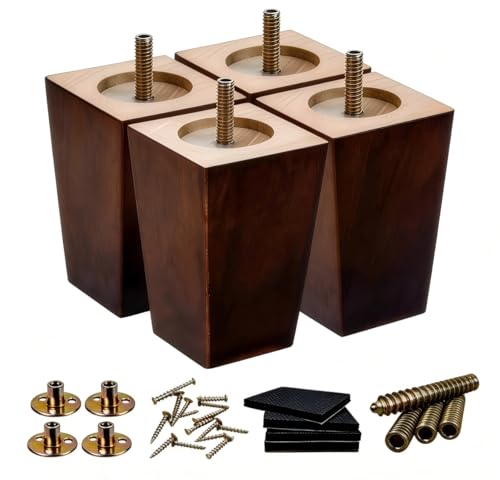
SHANJUE 5 Inch Couch Legs Wood Square Sofa Legs Replacement for Chair, 4PC | 1500lbs heavy duty square feet; fits furniture, dresser, cabinet, bed; M8 & 5/16 hanger bolts; robot vacuum clearance.
Check price on Amazon
AORYVIC 5 inch Sofa Legs Wood Furniture Legs Pack of 4 Pyramid Couch Legs Mid-Century Modern Brown Replacement Legs
Check price on Amazon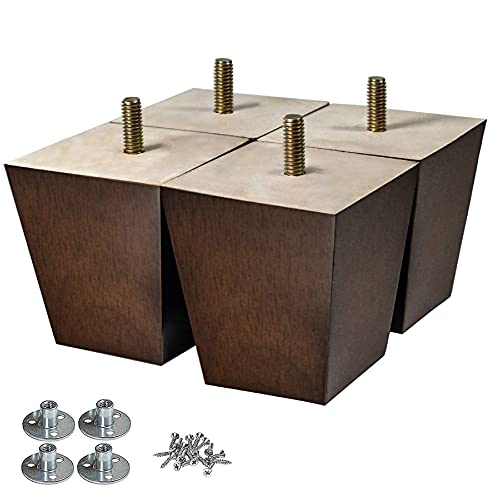
AORYVIC Wood Furniture Legs 3 inch Sofa Legs Pack of 4 Square Couch Legs Brown Mid-Century Modern Replacement Legs for Armchair Recliner Coffee Table Dresser
Check price on Amazon
6 Inch Wood Furniture Legs Set of 4 Replacement Feet for Cabinet Couch Chair Sofa Legs Mid Century Predrilled M8 Bolt with Mounting Nuts and Screws
Check price on Amazon
AORYVIC Wood Furniture Legs, 4 inch Sofa Legs, Square Couch Legs Pack of 4, Wood Legs for Table w/Pre-drilled Hanger Bolt
Check price on AmazonMatching Wooden Legs to Your Sofa Style
Your sofa's overall style should guide the leg choice. A modern sofa with clean lines looks best with tapered or block legs in a matte finish. A traditional sofa with rolled arms suits turned or cabriole legs in a warm stain. For a relaxed, coastal or Scandinavian room, splayed legs in natural oak or ash create an effortless look. Explore our modern sofa guide and sofa style overview for broader design direction.
Wooden legs also pair naturally with exposed wood arms. If that is the look you want, our guide to a sofa with a wood back and sides shows how to carry the material story across the whole piece.
Caring for Wooden Sofa Legs
Wooden legs are low-maintenance but benefit from a little attention. Dust weekly with a soft cloth, wipe spills promptly, and avoid harsh solvents that strip the finish. For oiled finishes, reapply a furniture oil once or twice a year. Check bolts every few months and tighten them to prevent wobbling. If you have pets, felt pads and a quick wipe-down routine help keep legs free of scratches and hair.
Frequently Asked Questions
What are the most common types of wooden sofa legs?
The most common types include tapered legs, turned legs, straight block legs, cabriole legs, and splayed legs. Each style suits a different aesthetic, from mid-century modern to traditional and Scandinavian interiors.
How do I know if my sofa needs new wooden legs?
Look for wobbling, visible cracks, stripped screw threads, uneven stance, or a style that no longer matches your interior. Replacing legs can also raise or lower seat height to improve comfort and accessibility.
Can I replace sofa legs with wooden ones myself?
Yes, for most standard sofas with bolt-on legs. You will need matching mounting plates or threaded inserts, the correct bolt size, and basic tools. For sofas with integrated frames or unusual hardware, consult a furniture professional.
Which wood species are best for sofa legs?
Hardwoods such as oak, walnut, maple, and ash offer durability and a premium feel. Beech and rubberwood are solid mid-range choices. Softer woods like pine suit lightweight or decorative applications but may dent more easily.
How do wooden sofa legs affect the look of a room?
Leg style and finish dramatically change visual weight. Tapered mid-century legs create an airy, modern feel, while turned or cabriole legs add traditional character. Dark wood finishes read more formal, and light finishes feel casual and Scandinavian.
Ready to Choose Your Wooden Legs?
Wooden sofa legs are a small detail with a big impact. Once you know your preferred leg profile, wood species, and finish, you can shop with confidence and even upgrade an existing sofa. If you are still narrowing down the broader purchase, explore our sofas for the living room collection and our guide to sofa sets for the living room to complete the room.
For a coordinated look, consider matching wooden legs with a sofa side table in a similar wood tone, or browse our sofa hub for the full range of buying guides.