
Sofa Sectional for Small Living Room: Complete Buying Guide
Learn how to choose a compact sectional that maximizes seating, preserves walkways, and makes your small living room feel open, cozy, and beautifully balanced.
Explore Top PicksWhy a sectional can actually work in a small room: A thoughtfully sized L-shaped sectional often seats more people than a traditional sofa and loveseat combination, while using less floor area. The key is choosing the right dimensions, orientation, and visual weight for your space. This guide walks you through every decision so you can buy with confidence.
Why a Sectional Makes Sense for Small Living Rooms
When space is limited, every piece of furniture must earn its place. A sectional sofa offers a unified seating solution that eliminates the awkward gap between separate pieces and creates a natural conversation zone. In compact rooms, an L-shaped layout can tuck into a corner, leaving more open floor space for walkways and other essentials. Unlike a standard sofa set for a small living room, a sectional consolidates seating into one footprint, which visually simplifies the room and reduces clutter.
Beyond seating, sectionals can integrate storage, sleep functionality, and even charging ports. If you are comparing layouts, it helps to understand how a complete sofa set differs from a single sectional in terms of flexibility and flow. For very tight rooms, a versatile sofa set for the living room can also work, but a compact sectional usually wins on seat count per square foot.
Key Measurements Before You Buy
Measurements are the foundation of a successful purchase. A sectional that fits the wall but blocks a doorway or leaves no walkway will make the room feel cramped regardless of how beautiful it looks. Follow these guidelines to size your sectional correctly.
Room Width & Depth
Measure the longest wall and the depth of the room. Aim for a sectional that leaves at least 14–18 inches of walkway on its open sides.
Sectional Footprint
Compact sectionals typically range from 70 to 90 inches wide. Two-piece models with a chaise keep the depth manageable.
Doorway Clearance
Check that the sectional can fit through doors and hallways. Some models ship in sections or have removable legs.
Focal Point Distance
Keep 7–10 feet between the sofa and your TV or fireplace for comfortable viewing and balanced proportions.
If your room is especially narrow, look for models designed to fit through tight spaces. Our guide on sofas that can fit through narrow doors explains what to check before ordering. Also consider the height of the back and arms—low-profile designs keep sightlines open and make the room feel larger.
Layout and Orientation: Left-Facing vs. Right-Facing
The orientation of your sectional determines how the room flows. A left-facing chaise places the extended section on the left as you face the sofa, while a right-facing chaise mirrors that layout. The correct choice depends on where your focal point sits and which side of the room has more open space.
For example, if your TV is on the right wall and the entryway is on the left, a right-facing chaise may block the walkway. In that case, a left-facing configuration keeps the open side clear. If you prefer a chaise for lounging, explore options like a sofa with a chaise lounge or a reversible chaise lounge that can be flipped to suit your layout.
Pro Tip: Use Painter's Tape
Before buying, outline the sectional's footprint on your floor with painter's tape. Walk around it for a few days to confirm walkways, door swings, and reach to side tables feel comfortable. This simple step prevents the most common small-room mistakes.
Compact Configurations That Maximize Space
Not all sectionals are created equal when space is tight. The best small-room models share a few traits: a compact footprint, low visual weight, and multi-functional features. Here are the configurations worth considering.
- Two-piece L-shaped sectional: The most common compact layout. It seats three to four people and tucks neatly into a corner.
- Sectional with chaise and storage: A sectional sleeper with storage adds hidden storage and guest sleeping without a separate piece of furniture.
- Reversible chaise sectional: Lets you switch the chaise side if you rearrange the room later. Look for a reversible chaise and ottoman combo for extra flexibility.
- Small sleeper sectional: A sleeper sectional with chaise is ideal for studio apartments and guest rooms.
- Modular sectional: Modular pieces can be reconfigured as your needs change, and individual sections are easier to move through tight doorways.
If you need a bed for overnight guests but want to keep the sofa compact, compare a sofa that doubles as a bed with a traditional sleeper sectional. The right choice depends on how often you host guests and how much floor space you can spare when the bed is open.
Comparing Small Sectional Types
Use this comparison to match the configuration to your lifestyle. Tier descriptors reflect market positioning, not literal figures.
| Tier | Configuration | Best For |
|---|---|---|
| Essential tier | Two-piece L-shaped sectional | Renters and first apartments needing simple, compact seating |
| Balanced tier | Sectional with reversible chaise | Flexible layouts and rooms that may be rearranged |
| High-end tier | Sectional sleeper with storage | Studio apartments and homes that host guests regularly |
| Top-tier | Modular performance-fabric sectional | Long-term use in busy households with pets or children |
Choosing the Right Fabric and Material
In a small room, fabric choice affects both visual space and daily practicality. Light-colored upholstery reflects light and makes walls feel farther apart, while dark colors can shrink the room. Performance fabrics, microfiber, and tightly woven blends resist stains and wear, which matters in high-traffic living areas.
If you have pets, look for a sofa material that cats won't scratch and pair it with a sofa protector for pets. For easy maintenance, a sofa material that is easy to clean saves time and keeps the sectional looking fresh. Leather is another option—explore a leather sofa set for the living room if you prefer a wipe-clean surface with a classic look.
Storage and Multi-Function Features
In a small living room, hidden storage is a game-changer. Sectionals with built-in storage compartments can hold blankets, remotes, and toys without adding clutter. A sofa with storage keeps essentials out of sight, and a sofa with storage and a pull-out bed doubles as a guest bed. If you like the idea of tucking items underneath, compare a sofa with storage drawers underneath with a lift-top ottoman design.
For lounging, a sofa with a chaise lounge offers a dedicated spot to stretch out without taking up the space of a full recliner. If you want reclining comfort in a compact footprint, check models with a manual recliner or a power recliner with headrest.
Placement Tips to Make the Room Feel Larger
- Float the sectional slightly away from the wall to create visual breathing room—even 3–4 inches helps.
- Use a rug that extends beyond the sectional's front edge to anchor the seating area.
- Choose a sofa side table for small spaces instead of bulky end tables.
- Keep the back of the sectional low if it sits in the middle of an open-plan space.
- Pair with a bench cushion for extra seating that tucks away when not needed.
Care and Maintenance for a Long-Lasting Sectional
A compact sectional sees daily use, so maintenance matters. Vacuum upholstery weekly, rotate cushions to distribute wear, and spot-clean spills immediately. For deeper cleaning, a sofa upholstery cleaner designed for your fabric type protects the material. If the frame or cushions show wear over time, explore options like sofa reupholstery to extend its life rather than replacing the entire piece.
If you are furnishing a rental or a temporary space, sofa rental options can be a practical alternative to buying. And when you are ready to shop, browsing a sofa store in person helps you test comfort and confirm dimensions before ordering.
Recommended Sectionals for Small Living Rooms
⚠️ AFFILIATE DISCLOSURE: This website contains affiliate links. As an affiliate Associate, we earn from qualifying purchases. If you make a purchase through these links, we may receive a small commission at no additional cost to you. Read our full affiliate policy.

Boneless Couch, Cloud Couch Sofa, Sectional Couches for Living Room | Comfy L-Shaped Modern Sectional Sofa, Upholstered Corduroy Couch with Storage Pocket for Apartment, No Assembly Required
Check price on Amazon
TROMIRY U-Shaped Sectional Couches for Living Room | 112 Inch Modern Sectional Couch | Dark Grey Chenille Sofa with Double Chaise for Apartment
Check price on Amazon
Marsail 110" Modular Sectional Sleeper Sofa, Pull Out Sofa Bed with Storage | 7 Seat Comfy Cloud Sofas for Living Room, Chenille Sectional Couches with USB Ports & Cup Holders, Dark Gray
Check price on Amazon
Korser 108" L-Shaped Modular Sectional Sofa with Chaise, Boneless Comfy Corduroy Fluffy Couch with Deep Seat and Side Pockets, Flexible Module Combination for Living Room, No Assembly, Side Pockets
Check price on Amazon
134" Boneless Couches for Living Room - Modular Sectional Sofa U Shaped Oversized Deep Seat High Back Corduroy No Assembly Modern Cloud Big Comfy Floor Couches (Black)
Check price on Amazon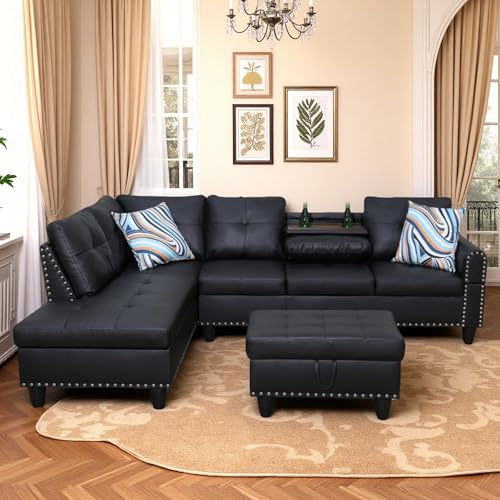
Trygoal Leather 3-Piece L-Shaped Couches for Living Room, Sectional Sofa with Storage Ottoman & Movable Chaise, Modular Convertible Couch for Bedroom & Apartment, Midnight Black
Check price on Amazon
108'' Modular Sectional Sleeper Sofa Couches for Living Room, Dark Grey | L/U Shaped Sleeper Sofa, Pull Out Couch Bed, Hidden Storage, Modular Design, Comfy Corduroy, Removable Cover, Movable Ottoman
Check price on Amazon
WUNSTANTE Sectional Sleeper Sofa with Pull Out Bed, Plush Corduroy 7 Seat Modular Sectional Sofa with Storage Chaise and Adjustable Backrest, Cloud Couches for Living Room, Apartment, Dark Grey
Check price on AmazonFrequently Asked Questions
What size sectional sofa fits a small living room?
A sectional for a small living room typically measures between 70 and 90 inches in width. Two-piece sectionals with a chaise or an L-shape configuration work best because they keep the footprint compact while still offering comfortable seating for three to four people. Always measure your room and leave at least 14 to 18 inches of walkway around the sofa.
Should I choose a left-facing or right-facing sectional?
The orientation depends on your room layout and focal point. A left-facing chaise works well when the chaise sits against a wall on the left side of the room, while a right-facing chaise is better when the open side is on the right. Consider where your TV, fireplace, or main walkway is located before deciding.
What fabric is best for a small living room sectional?
Light-colored performance fabrics, microfiber, and tightly woven upholstery are excellent choices. They reflect light, make the room feel larger, and resist stains. For households with pets, consider tightly woven fabrics with a low pile that resist scratching and are easy to clean.
Can a sectional sofa make a small living room feel cramped?
A sectional can make a small room feel cramped if it is oversized or placed incorrectly. Choose a compact two-piece model, keep arms and backs low, use a light color palette, and leave adequate walkway space. When sized and placed well, a sectional actually creates a cozy, unified seating area.
Do small sectionals come with storage or a sleeper option?
Yes. Many compact sectionals offer storage chaise sections or pull-out sleeper mechanisms. These dual-purpose designs are ideal for small living rooms and guest use, but they add a few inches to the depth, so measure carefully before choosing.
Ready to Choose Your Sectional?
Use the measurements, layout tips, and configuration guidance above to shortlist the right sectional for your small living room. Then compare the recommended models to find the one that fits your space and lifestyle. For related reading, explore our guides on sectionals with a chaise on the left side and sectionals with a chaise on the right side.