
Small Wall Hugger Recliners for Small Spaces
Discover how space-saving recliners let you kick back in tight rooms — without sacrificing an inch of comfort or style.
EXPLORE THE GUIDEWhy this guide matters: If you have a compact living room, a cozy bedroom, or a studio apartment, a standard recliner can feel impossible to place. A small wall hugger recliner solves that problem by sliding forward as it reclines, so it can sit close to the wall. In this guide, we explain how the mechanism works, what to measure before you buy, which features matter most, and how to choose the right compact recliner for your space.
What Is a Wall Hugger Recliner?
A wall hugger recliner is a reclining chair engineered to save space. Instead of tipping its backrest toward the wall, the seat and backrest glide forward on a track as the chair opens. That forward motion is the key difference: the back of the chair stays close to the wall while your legs and torso move into a comfortable reclined position.
Traditional recliners need a generous gap behind them so the backrest has room to lean back. In a narrow room, that gap can eat up valuable walking space or block a doorway. A small wall hugger recliner for small spaces eliminates that dead zone, letting you place seating where a conventional recliner simply would not fit.
The result is a recliner that behaves like a compact, space-conscious piece of furniture while still delivering the cushioned support people expect from a dedicated lounge chair.
How Does the Wall Hugger Mechanism Work?
The heart of a wall hugger recliner is its slide-forward mechanism. When you push back, a set of rails and pivots moves the seat assembly forward and slightly down, while the backrest angles back within a fixed footprint. Because the backrest never travels far behind the chair, the required wall clearance is dramatically reduced.
Most models need only a few inches of breathing room behind the backrest. That small allowance is enough for the mechanism to operate smoothly and protects your wall from scuffs. The exact figure varies from one design to another, so the manufacturer's specification is always the number to trust.
Quality matters here. A reinforced metal frame and high-grade steel mechanism make the glide feel smooth and quiet, while a flimsier build can develop wobble over time. If you plan to use the recliner daily, look for a model with solid build quality and a mechanism rated for frequent use.
Benefits of Wall Hugger Recliners in Small Rooms
More Usable Floor Space
Placing the recliner close to the wall frees up the floor in front and beside it, which matters in compact living rooms and bedrooms.
Flexible Placement
You can position a wall hugger under a window, beside a doorway, or in a corner where a standard recliner would block traffic.
Full Recline Comfort
The space-saving mechanism does not reduce the recline range. You still get a full lounging position with proper leg and back support.
Cleaner Room Layout
Because the chair stays close to the wall, your layout looks intentional and uncluttered rather than pushed awkwardly into the middle of the room.
Versatile Room Options
Wall hugger designs suit living rooms, bedrooms, reading nooks, home offices, and even RV interiors where every inch counts.
Everyday Durability
Many models pair the slide-forward mechanism with reinforced frames and durable upholstery for long-term daily use.
Recommended Small Wall Hugger Recliners for Small Spaces
⚠️ AFFILIATE DISCLOSURE: This website contains affiliate links. As an affiliate Associate, we earn from qualifying purchases. If you make a purchase through these links, we may receive a small commission at no additional cost to you. Read our full affiliate policy.

KISLOT Wall Hugger Recliner Chair, Faux Leather Power Reclining, Brown, 1PC | USB Charging Ports, Electric RV Recliner, Home Theater Seating, Living Room, Bedroom
Check price on Amazon
cinkehome Wall Hugger Power Recliners for Small Spaces, Electric RV Recliners with USB, Modern Recliner Chair for Living Room, Apartment
Check price on Amazon
Watson & Whitely Wide Wall Hugger Manual Recliner Chairs, Light Gray | Wide Reclining Chair with Plush Cushioning Backerst, Thick Padded Armrests, Side Pockets for Living Room, Bedroom, RV
Check price on Amazon
CHSICFOR Wall Hugger Power Recliner Chair, Zero Clearance Electric Reclining Armchair with USB Type-C Port, Stain-Resistant Fabric for Small Space, Living Room, Apartment, RV (Velvet, Beige)
Check price on Amazon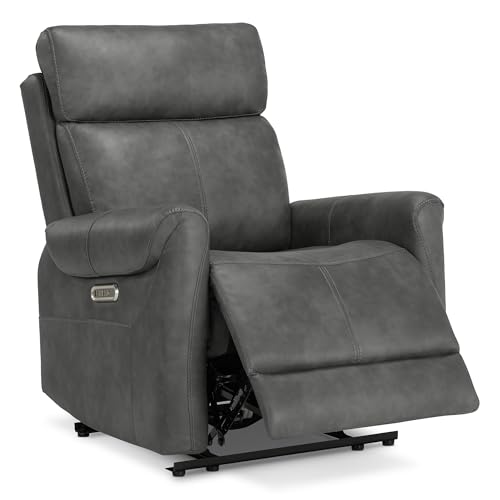
KISLOT Wall Hugger Recliner Chair, Faux Leather Power Reclining, Grey, 1PC | USB Charging Ports, Electric RV Recliner, Home Theater Seating, Living Room, Bedroom
Check price on Amazon
Dresegmt Recliner Chair, Oversized Reclining Chair RV Couch (Velvet Gray) | Wall Hugger Recliner Chair with Storage Pockets & Cup Holders, Manual Single Loveseat Recliner for Living Room & RV Furniture
Check price on AmazonHow to Choose a Small Wall Hugger Recliner
Buying a compact recliner is mostly a measuring exercise followed by a few comfort checks. Work through the points below before you commit, and you will avoid the most common mistakes.
1. Measure Wall Clearance First
This is the single most important step. Check the manufacturer's recommended wall clearance and compare it with the actual gap you can spare. A wall hugger recliner needs far less room than a standard model, but it still needs a small allowance. If your room has baseboards, outlets, or window sills along the wall, factor those in too.
2. Confirm the Open Depth
Wall clearance is only half the equation. Also check how far the chair extends into the room when fully reclined. A compact recliner should have an open depth that still leaves a comfortable walking path in front of it. For very narrow rooms, this measurement separates a workable chair from one that feels cramped.
3. Check Seat Width and Weight Capacity
Compact does not mean uncomfortable. Look for a seat wide enough for comfortable lounging and a weight capacity that matches your household. Many small recliners are built for a single adult, so verify the specification if more than one person will use it regularly.
4. Choose the Right Upholstery
Leather and faux leather are easy to wipe clean and suit a modern look, while fabric options feel softer and add warmth to a room. In a small space, lighter neutrals can make the chair feel less visually heavy. If you have pets or children, prioritize durable, easy-clean materials.
5. Consider Rocker, Swivel, and Glider Functions
Some wall hugger recliners add a rocking or swiveling base. A swivel function is especially useful in a small room because it lets you turn toward the TV, a conversation area, or a window without moving the chair. These extras add versatility, though they can slightly change the footprint, so confirm the dimensions.
6. Evaluate Mechanism Quality
Look for reinforced metal construction, a smooth glide, and a mechanism designed for regular use. A mid-range model typically offers a smoother, quieter recline than an entry-level one, while premium and high-end tier recliners tend to add better cushioning and more refined finishes. If you use the chair daily, the mechanism is the part worth prioritizing.
7. Test the Footrest and Recline Positions
A good recliner supports your legs fully when the footrest is raised and holds several comfortable recline angles. If you can try the chair in person, test how smoothly the footrest deploys and whether the backrest locks into place. If you buy online, read customer feedback about the recline range.
Recliner Tiers at a Glance
Instead of comparing numbers, it helps to understand where a recliner sits in the market. Use this universal tier framework as a reference when you compare options.
| Tier | Typical Characteristics | Best For |
|---|---|---|
| Entry-level | Basic slide-forward mechanism, simpler upholstery, lighter frame | Occasional use in a guest room or secondary space |
| Mid-range | Smoother mechanism, better cushioning, more durable upholstery | Daily use in a main living room or bedroom |
| Premium | Refined glide, reinforced frame, high-grade materials, extra support | Frequent lounging and long-term use |
| Luxury | Top-tier mechanism, premium upholstery, fine detailing, extended recline range | Dedicated lounge spaces and design-focused rooms |
As a general rule, mid-range models offer a noticeably smoother recline than entry-level ones, while premium and luxury tiers focus on durability and refined comfort. Match the tier to how often the chair will be used.
Where a Small Wall Hugger Recliner Works Best
The compact footprint of a wall hugger recliner makes it surprisingly versatile. These are the most practical placements:
- Small living rooms: Place it beside the sofa or in a corner to create a dedicated lounge seat without crowding the room. Pair it with a small side table that slides under the sofa to keep drinks and remotes within reach.
- Bedrooms: A recliner in the bedroom creates a private reading or TV spot. A small recliner for the bedroom fits neatly against a wall and does not need a large clearance gap.
- Studio apartments: In a studio, every piece of furniture does double duty. A wall hugger recliner gives you a comfortable seat without blocking walkways, and it pairs well with a compact layout built around a small apartment living room setup.
- Reading corners: Tuck a wall hugger beside a bookcase or window. Its forward-sliding mechanism means it can sit right against the wall, leaving room for a floor lamp and a small rug.
- Home offices: A recliner in the office is a comfortable break spot between calls. Look for a swivel base if you want to turn between your desk and the window.
- RVs and tiny homes: Limited wall clearance is the norm in mobile spaces, which makes wall hugger designs a natural fit.
If your room is especially tight, a small reclining chair for small spaces can be the better choice, and a small recliner chair guide can help you compare footprint options. For leather finishes, see our small leather wall hugger recliners collection.
Wall Hugger vs. Standard Recliner
Understanding the difference between the two recliner types helps you decide which one suits your room. The table below compares them on the factors that matter most in a compact space.
| Feature | Wall Hugger Recliner | Standard Recliner |
|---|---|---|
| Wall clearance needed | Minimal — only a few inches | Substantial gap behind the backrest |
| Recline motion | Seat slides forward | Backrest leans backward |
| Footprint in small rooms | Compact and easy to place | Requires more open floor area |
| Recline comfort | Full recline range | Full recline range |
| Best for | Small living rooms, bedrooms, apartments | Rooms with generous open space |
The trade-off is straightforward: a wall hugger recliner asks for a little more mechanism complexity in exchange for a much smaller wall gap. In tight rooms, that exchange is almost always worth it.
Caring for a Wall Hugger Recliner
A wall hugger recliner is a long-term investment, and a little routine care keeps the mechanism and upholstery in good condition.
- Vacuum the seams regularly: Dust and crumbs settle in the crevices between cushions. A soft brush attachment removes them without stressing the fabric.
- Keep the mechanism clean: Wipe the exposed rails occasionally and follow the manufacturer's guidance on lubrication. Never force the recline motion if it feels stiff.
- Protect the upholstery: Use a fabric protector on woven materials and condition leather periodically to prevent drying and cracking.
- Avoid overloading the footrest: The footrest is designed for legs, not for standing or heavy loads, which can strain the mechanism.
- Check the wall gap: Periodically confirm the chair still has its recommended clearance, especially after moving furniture or rugs.
For broader upkeep guidance, our small leather recliners for small spaces article covers leather-specific care, while the general recliner guides on the site explain how to keep the mechanism gliding smoothly.
Frequently Asked Questions
What is a wall hugger recliner?
A wall hugger recliner is a space-saving recliner that slides forward as it reclines instead of pushing its backrest backward. This allows it to sit just a few inches from a wall while still offering a full recline.
How much space does a small wall hugger recliner need?
Most wall hugger recliners need only about four to ten inches of clearance behind the backrest, compared with the much larger gap a standard recliner requires. Exact clearance varies by model, so always check the manufacturer's specification.
Are small wall hugger recliners comfortable?
Yes. A well-built wall hugger recliner offers the same padded seating, recline positions, and support as a standard recliner. The main difference is the reclining mechanism, which moves the seat forward rather than the backrest rearward.
What should I check before buying a wall hugger recliner?
Measure your wall clearance, confirm the recliner's open depth, check the seat width and weight capacity, and look for durable mechanism construction. For tight rooms, also consider swivel or rocker functions and easy-to-clean upholstery.
Where can I place a small wall hugger recliner?
Small wall hugger recliners work well in small living rooms, bedrooms, apartments, reading corners, home offices, and even RVs. Their compact footprint makes them a practical choice wherever floor space is limited.
Final Thoughts
A small wall hugger recliner is one of the most practical pieces of furniture you can add to a compact room. By sliding forward instead of leaning back, it frees up the wall clearance that standard recliners demand, giving you a comfortable lounge seat without sacrificing your floor plan.
Before you buy, measure the wall gap, confirm the open depth, and decide how often the chair will be used so you can choose the right tier. With the right model, your small space can feel every bit as relaxing as a full-size lounge.
Ready to compare options? Browse the recommended models above and check availability for the compact recliner that fits your room best.