If you share your living room with a dog or a cat, the sectional you choose needs to do more than look good. It has to resist snagging claws, release embedded fur, wipe clean after accidents, and hold its shape through years of daily lounging. That is a very different set of requirements from a formal living room couch used mostly for occasional guests.
The good news is that furniture makers have responded directly to this demand. Performance textiles, modular configurations, and removable covers have made the pet friendly sectional a genuine category rather than a compromise. The challenge is knowing which combination of features actually matters for your specific pets, home, and daily routine.
This guide walks through fabric science, structural durability, layout decisions, and long-term maintenance. By the end, you should be able to evaluate any sectional on a showroom floor or product page and judge whether it will hold up in a pet household — not just on day one, but across the years of use that follow.
Why Pet Households Need a Different Sectional
A standard fabric sofa is engineered for seated humans. Pet use adds three stressors that most upholstery was never designed to handle: mechanical abrasion from claws, biological residue from fur and dander, and liquid exposure from accidents, water bowls, and muddy paws.
Claws are the most underestimated factor. A cat launching off a cushion concentrates force on a very small surface area, and a loose-weave linen or a boucle will pull and snag within weeks. Dogs circling before lying down create a repetitive rubbing motion that abrades the fabric face over time. Fabrics with a tight weave and high rub-count ratings are the practical answer.
Fur and dander are a second front. Textured, nubby, or velvet-like surfaces trap hair and are difficult to vacuum thoroughly. Smooth, tightly woven surfaces let hair lift away with a simple pass of a rubber brush. If you have a double-coated breed, this single characteristic can matter more than almost anything else.
Finally, liquid exposure is unavoidable. A sectional that absorbs a spilled water bowl and stays damp underneath becomes a breeding ground for odor and mildew. Fabrics with a built-in liquid barrier or a tight weave that causes liquid to bead on the surface give you time to blot before damage sets in.
The Fabrics That Survive Claws and Fur
Fabric choice is the single highest-leverage decision in the entire purchase. The right textile can make an ordinary sectional pet-ready; the wrong one will fail no matter how sturdy the frame is underneath.
Performance microfibers and reinforced polyesters
Tightly woven microfiber and solution-dyed polyester are consistently the most practical entry point for pet households. The weave is dense enough that claws glide over rather than catch, and the synthetic fibers resist staining and release fur easily. Many of these fabrics are rated for tens of thousands of double rubs on the Wyzenbeek or Martindale scale, which is a reliable proxy for abrasion resistance. They also tend to be cleanable with mild soap and water rather than specialist treatments.
Solution-dyed acrylics
Acrylic performance fabrics designed for outdoor use have migrated into indoor sectionals precisely because of their pet-friendly properties. The color is dyed into the fiber rather than applied to the surface, so it does not fade or wash out with repeated cleaning. These fabrics are among the most bleach-cleanable options available, which is meaningful if you need to sanitize after accidents.
Leather and faux leather
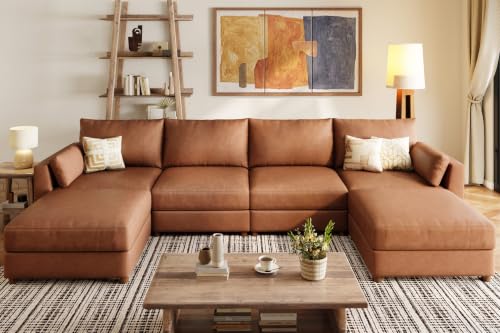
Leather is durable, wipes clean in seconds, and does not hold odor the way fabric can. The caveat is scratching: sharp claws can leave visible marks, especially on the softer, more heavily finished hides. Full-grain and top-grain leathers develop a patina that disguises minor scratches, while bonded leather is best avoided in heavy-pet homes because it can peel. For a more forgiving surface, consider a sofa material that cats won't scratch easily, or explore performance fabric sectionals that mimic leather's wipe-clean behavior.
Fabrics to approach with caution
- Loose-weave linen and cotton: Beautiful, but claws catch easily and stains set quickly.
- Bouclé and nubby textures: Trap fur and invite snagging.
- Velvet and velour: Hold hair and show every paw print.
- Silk and delicate blends: Not designed for repeated mechanical stress.
Practical tip: Ask for the fabric's abrasion rating and cleaning code before you commit. A code "W" or "WS" fabric can be cleaned with water-based or solvent cleaners, which gives you far more flexibility than a dry-clean-only code "S" fabric in a pet household.
Frame, Cushion, and Leg Durability
The fabric is what you see, but the frame is what determines whether the sectional still feels solid after three years of pets jumping on and off it. Look for kiln-dried hardwood frames joined with dowels, screws, and corner blocks rather than stapled particleboard. A reinforced frame is the difference between a couch that creaks and shifts and one that stays square.
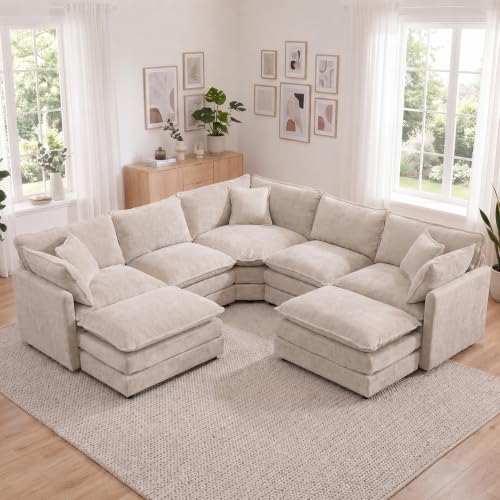
Cushion cores deserve equal attention. High-resilience foam with a density rating appropriate for daily use holds its shape better than low-density foam that compresses into permanent divots. Down-filled cushions feel luxurious but require frequent fluffing and can flatten under a large dog's favorite spot; a foam core wrapped in down or fiber is a stronger compromise. If you prefer the down look, a down-filled sectional with chaise can work well provided you are prepared for regular maintenance.
Legs and feet matter more than most buyers expect. Pets urinate near legs, chew on wooden feet, and knock into metal ones. Metal legs with protective glides resist moisture better than unfinished wood, and low-profile plinth bases eliminate the gap where toys and fur collect. Removable legs also make it easier to clean underneath the sofa.
Layout Choices for Pet-Friendly Living Rooms
Configuration affects how easy the sectional is to clean and how well it suits the traffic patterns of a pet household. A few layout principles make a real difference.
Modular and movable sections
A modular sectional lets you pull individual pieces apart for deep cleaning, rotate worn sections, and reconfigure the room without buying new furniture. For pet owners, the ability to separate a chaise and vacuum underneath it is a genuine advantage. If modular flexibility appeals to you, it is worth understanding what a modular sofa is and how the connection hardware holds up over time.
Chaise and storage configurations
A chaise gives pets a natural lounging spot, which can actually protect the rest of the sofa by concentrating wear in one area. A small sectional sofa with storage adds a place to stash leashes, toys, and grooming tools, reducing clutter that pets love to investigate.
Size relative to the room
An oversized sectional in a small room leaves no clearance for vacuuming around the base, and fur accumulates in the gaps. If your room is compact, a L-shaped sofa for a small living room keeps floor access open. If you have the space and multiple pets, a large sectional sofa spreads wear across more seating area, which can extend the life of the piece.
Quality Tiers: What Each Level Delivers
It helps to think about pet-friendly sectionals in tiers rather than as a single category. The descriptors below are relative positions in the market, not absolute judgments, and they will stay meaningful regardless of when you read this guide.
| Tier | Typical Construction | Best For |
|---|---|---|
| Entry-level | Engineered wood frame, standard foam, basic microfiber upholstery | Single small pet, light daily use, first apartment |
| Mid-range | Kiln-dried hardwood frame, high-resilience foam, performance fabric with liquid barrier | One or two medium pets, daily family use, removable covers |
| Premium | Reinforced hardwood frame, wrapped foam cores, solution-dyed acrylic or top-grain leather | Multiple pets, heavy daily use, households that clean frequently |
| Luxury | Solid hardwood frame, commercial-grade foam, flagship performance textiles, modular design | Large pets, multi-pet homes, long-term investment furniture |
In general, mid-range models offer a noticeably better balance of durability and cleanability than entry-level pieces, while premium and luxury tiers are where you find the most refined performance fabrics and the sturdiest frames. The jump from mid-range to premium is often felt most in the cushion core and the fabric's cleaning code rather than in visible styling.
Covers, Protectors, and Practical Add-Ons
Even the best fabric benefits from a defense layer. Removable, machine-washable cushion covers are the single most useful feature to look for — they let you deep-clean one section without replacing the sofa. If the sectional you love does not come with washable covers, a fitted slip cover is a practical retrofit. For leather models, a dedicated leather sofa cover adds protection without hiding the material entirely.
Beyond covers, a few accessories improve daily life with pets:
- Waterproof seat protectors placed under the cushions catch accidents before they reach the foam.
- Pet throws on the favorite lounging spot reduce direct wear on the upholstery.
- A dedicated pet bed next to the sectional gives your dog or cat an alternative and reduces occupancy of the sofa itself.
- Fabric protectant sprays can refresh liquid repellency on performance fabrics, though always check the manufacturer's guidance first.
Cleaning Routines That Extend Sofa Life
Consistent maintenance matters more than any single product. A simple weekly and monthly routine keeps a pet-friendly sectional looking presentable for years.
Weekly routine
- Vacuum the entire sofa with an upholstery attachment, paying attention to crevices where fur collects.
- Use a rubber-edged brush or a damp rubber glove to lift embedded hair from the fabric face.
- Fluff and rotate cushions so wear is distributed evenly.
Monthly and seasonal routine
- Remove and wash removable covers according to the care label — usually a gentle cycle with mild detergent.
- Vacuum underneath the sectional and behind it to clear accumulated fur and dust.
- Check seams, zippers, and frame joints for early signs of stress and address small repairs before they grow.
Dealing with accidents: Blot immediately, do not rub. For water-cleanable fabrics, use a mild enzyme cleaner designed for pet messes, then air-dry thoroughly. For dry-clean-only fabrics, call a professional rather than risk setting a stain or damaging the fiber.
If sustainability matters to you as you shop, the sustainable fabrics guide explains which performance textiles are produced with lower environmental impact without sacrificing pet durability. For rooms that combine a sectional with a secondary seating piece, pairing it with extra seating such as an accent chair can reduce the load on the main sofa.
Frequently Asked Questions
What is the best fabric for a pet friendly sectional?
Performance fabrics such as tightly woven microfibers, solution-dyed acrylics, and reinforced polyesters are widely regarded as top-tier choices for pet households. They resist claw snags, repel liquids, and tolerate frequent cleaning far better than loose-weave natural fibers.
Is leather a good choice for pets?
Leather is generally durable and easy to wipe clean, but it can show scratches from sharp claws. Full-grain and top-grain leathers age gracefully and are more resilient than bonded leather, which may peel over time in heavy-use homes.
How do I keep pet hair off a sectional?
Choose removable, machine-washable covers, vacuum weekly with a rubber-edged attachment, and keep a lint roller nearby. Smooth, tightly woven fabrics release hair more easily than textured or velvet surfaces.
Should a pet friendly sectional have removable cushion covers?
Yes. Removable, washable cushion covers are one of the most practical features for pet households. They allow you to deep-clean individual sections without replacing the entire sofa and extend the usable life of the piece.
Can a pet friendly sectional still look stylish?
Absolutely. Modern performance fabrics come in a wide range of weaves, colors, and textures that rival traditional upholstery in appearance. Many premium sectionals are designed to look refined while hiding the practical engineering that makes them pet-ready.
How often should I clean a pet friendly sectional?
Vacuum weekly, wash removable covers monthly or as needed, and schedule a deeper clean every few months. Households with multiple or heavy-shedding pets may need to increase the frequency of each step.