Choosing the Right Bed: Bunk, Loft, or Standard?
Understand the pros and cons of different bed types for kids. We compare safety, space efficiency, and longevity to help you decide.
Read More →
Create a safe, functional, and fun space for your child with our comprehensive furniture guide. From beds and storage to study desks and chairs – everything you need to know.
Why Smart Furniture Choices Matter: A well-designed kids' room supports better sleep, encourages creativity, and promotes organization. We'll help you choose furniture that grows with your child, maximizes space, and fits your budget.
⚠️ AFFILIATE DISCLOSURE: This website contains affiliate links. As an affiliate Associate, we earn from qualifying purchases. If you make a purchase through these links, we may receive a small commission at no additional cost to you. Read our full affiliate policy.


Space-saving designs, twin, full, and loft beds
Beds with built-in drawers for extra storage
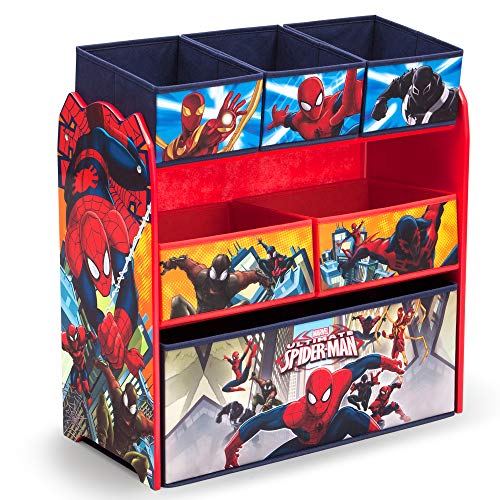
Dressers, bookshelves, toy organizers, and bins
Ergonomic desks and chairs for homework and creativity
Comfortable seating for reading, playing, and learning
2-in-1 solutions for small spaces
Understand the pros and cons of different bed types for kids. We compare safety, space efficiency, and longevity to help you decide.
Read More →Maximize every inch of your child's room with clever storage ideas. From under-bed drawers to wall-mounted shelves, we show you how to keep clutter at bay.
Read More →Learn how to set up an ergonomic and inspiring study space. We cover desk height, chair selection, lighting, and organization tips for better focus.
Read More →Designing a child's room is one of the most exciting yet challenging tasks for any parent. It's a space where your child will sleep, play, learn, and grow. The right kids room furniture can transform a simple bedroom into a multifunctional haven that supports your child's development and well-being.
Whether you're furnishing a nursery, a toddler's room, or a teenager's space, this guide covers everything you need to know. We'll explore the essential furniture pieces, key considerations like safety and durability, and how to create a room that adapts to your child's changing needs. Explore more kids bedroom ideas for inspiration on layouts and themes.
The bed is the most important piece of kids room furniture. It needs to be comfortable, safe, and appropriate for your child's age and size. When choosing a bed, consider not only the mattress size but also the bed frame style and its functionality.
Standard Beds: Twin and full-size beds are classic choices. They are straightforward, safe for younger children, and offer plenty of room to grow. Look for solid wood frames for durability.
Bunk Beds: Perfect for siblings sharing a room or for maximizing floor space. Bunk beds are a fantastic way to fit two beds in the footprint of one. Always prioritize safety, and ensure the top bunk has a sturdy guardrail and a secure ladder. For a modern twist, consider a low-profile bunk bed that's easier for young children to climb.
Loft Beds: These elevate the bed off the floor, creating a versatile space underneath for a desk, play area, or extra storage. Loft beds are incredibly popular in smaller rooms and are an excellent example of multifunctional storage in action.
Storage Beds: If you're dealing with limited closet space, a storage bed with built-in drawers or a lift-up mattress base can be a game-changer. These beds provide a hidden spot for out-of-season clothes, extra bedding, or toys. An upholstered storage bed adds a touch of comfort and style while keeping clutter at bay.
The cost of a quality kids' bed typically ranges from $250 for a basic twin frame to $1,200+ for a sturdy bunk bed or loft bed with storage. Remember to factor in the price of a good mattress, which is crucial for your child's health and sleep quality.
Effective storage is essential in any kids' room. Without it, toys, books, and clothes can quickly take over, creating a stressful environment. The key is to choose storage solutions that are accessible, durable, and encourage your child to keep things tidy.
Dressers and Chests: A good-quality dresser is a must-have. Look for models with deep drawers and sturdy construction. Consider the height; a low dresser can double as a changing table for babies or a display surface for older kids.
Bookshelves: Encourage a love of reading by making books visible and accessible. Low, wide bookshelves allow children to see book covers, sparking their interest. Tall, narrow bookshelves are great for corner spaces and can hold a variety of items, not just books.
Toy Storage: Open bins, baskets, and cubby shelves are ideal for toys. They allow kids to easily see and access their toys and make clean-up time much faster. Labeling bins with pictures for younger children or words for older ones is a great organizational hack.
Wall-Mounted Storage: Utilize vertical space with floating shelves, wall-mounted cubbies, or hanging organizers. This keeps the floor clear and creates a more spacious feel. Check out these brilliant bedroom storage ideas for more inspiration.
Expect to spend between $80 for a simple bookshelf to $600+ for a large, solid-wood dresser. Toy storage solutions like bins and cubbies can be found for under $50, making them a budget-friendly addition.
As your child grows, having a dedicated study area becomes increasingly important. A proper desk and chair setup promotes good posture, focus, and a sense of responsibility. Even for younger kids, a small table and chairs are fantastic for arts, crafts, and imaginative play.
Kids Desks: Choose a desk that is the right height for your child. A good rule of thumb is that when your child sits, their elbows should rest comfortably on the desk surface with their feet flat on the floor. Many desks are height-adjustable, which is a great feature for growing children. Look for desks with storage, such as a small drawer or a shelf, to keep supplies organized. Explore more kids room furniture options to find the perfect study setup.
Kids Chairs: An ergonomic kids chair is just as important as the desk. It should provide proper back support and be easily adjustable. For younger children, a simple, sturdy chair with a backrest works well. For older kids, consider an office-style chair with adjustable height and lumbar support. Ergonomic office chairs designed for smaller bodies can be a worthwhile investment for long-term health.
You can find a functional kids desk for around $100 to $300. Ergonomic chairs designed for children typically range from $80 to $250. Investing in quality here can pay off in your child's posture and study habits for years to come.
Beyond the main bed and study desk, your child's room should have cozy spots for reading, relaxing, or playing with friends. Additional seating adds versatility and comfort to the room.
Bean Bags: A classic choice for kids, bean bags are comfortable, lightweight, and easy to move around. They're perfect for lounging while reading or watching a tablet. Look for durable, easy-to-clean fabrics.
Kid-Sized Armchairs: A small armchair or rocking chair can be a charming addition to a toddler's room or a reading nook for older children. They add a sense of ownership and provide a comfortable retreat. Consider a variety of chair styles that can work in a child's room, from classic to contemporary.
Window Seats and Play Mats: If space permits, a window seat with storage underneath is a wonderful feature. A soft, colorful play mat creates a defined play area and adds a layer of comfort, especially for younger children.
When buying kids room furniture, safety and durability are paramount. Children's furniture takes a beating, so it needs to be built to last and be completely safe.
Furnishing a child's room can be expensive, but it doesn't have to break the bank. With smart planning, you can create a beautiful and functional space on any budget. Here are some tips:
Choosing the right kids room furniture is about more than just filling a room. It's about creating a space that nurtures your child's imagination, promotes good habits, and provides a safe and comfortable retreat. From the main bed and study desk to clever storage solutions, every piece plays a role in shaping your child's environment.
Remember to involve your child in the decision-making process when appropriate. Giving them a voice in choosing their furniture can make them feel more invested in their space and more likely to keep it tidy. We hope this guide has equipped you with the knowledge to make confident and informed choices for your child's room. For more inspiration on creating a stylish and functional home, explore our articles on kids bedroom ideas or other spaces in your house.
The information provided on SofaTopics is for educational and informational purposes only. We are not professional interior designers or contractors, and our content should not replace professional advice. Always consult with a qualified expert regarding structural, safety, or design-related concerns. Some content may use AI assistance. Always check product warranties and safety standards before purchasing. If you do not agree, please do not use this website. Read the full disclaimer.