
Bent Wood Armchair: Complete Guide to Styles, Comfort & Buying
Thinking about adding a bent wood armchair to your living room? Learn how steam-bent frames are made, which styles suit which spaces, and what to check before you commit to a chair you will keep for years.
Explore Recommended ChairsWhat Makes a Bent Wood Armchair Different
A bent wood armchair is built around a frame shaped by steaming solid timber and bending it into curves while it is still pliable. Instead of cutting every curve out of a block, manufacturers form continuous arms, backrests, and sometimes entire leg structures from long, flexible strips of wood. The result is a chair with flowing lines, fewer visible joints, and a silhouette that feels organic rather than boxy.
This construction method has roots in nineteenth-century furniture making and remains popular today because it solves two problems at once. First, it produces a frame that is remarkably strong for its weight. Second, it allows designers to create sculptural shapes that would be difficult or wasteful to carve from solid stock. If you are comparing seating options for a living room, a bentwood armchair sits in a distinct category from upholstered club chairs and oversized recliners — it is lighter, more architectural, and often easier to move around.
Quick orientation: A bent wood armchair is not just a decorative accent. The curved frame distributes weight along the grain, which is why a well-made chair in this style can feel surprisingly stable despite its slim profile. The seat and back cushions, however, do most of the comfort work — so the upholstery and padding deserve as much attention as the frame.
How Steam-Bent Frames Are Made
Understanding the manufacturing process helps you judge quality when you shop. Most bent wood armchairs go through a sequence that looks roughly like this:
- Selection and milling: Hardwoods such as beech, ash, oak, and sometimes walnut are cut into thin strips or laminations. Beech is especially common because it bends predictably and holds its shape well.
- Steaming: The wood is heated with steam until the lignin softens, making the fibers flexible without cracking.
- Bending and clamping: The softened wood is pressed against a form or mold and clamped until it cools and sets in the new shape.
- Lamination and assembly: Multiple bent layers are often glued together for extra strength, then joined into a complete frame.
- Finishing: Sanding, staining, oiling, or lacquering protects the surface and highlights the grain.
Because the process relies on consistent wood quality and precise molds, the difference between an entry-level chair and a premium one often shows up in the joints, the uniformity of the curves, and the smoothness of the finish. A chair with uneven bends or visible glue lines is a sign that the manufacturer rushed the process.
Popular Bent Wood Armchair Styles
The category covers a wide range of designs, from minimalist Scandinavian silhouettes to richly upholstered statement pieces. These are the styles you are most likely to encounter:
Classic Bentwood Lounge
Rounded backrest, continuous arm loop, and a shaped seat. Often paired with a removable cushion. A versatile choice for reading corners and living room accents.
Scandinavian Minimalist
Light-toned wood, clean lines, and a low-profile frame. Works well in bright, airy rooms and pairs naturally with neutral textiles.
Upholstered Bentwood
A bent frame wrapped with fabric or leather cushions. Adds softness and acoustic comfort while keeping the sculptural outline intact.
Industrial and Mid-Century
Darker finishes, visible grain, and sometimes metal accents. Suits loft-style interiors and rooms with warmer, moodier palettes.
If your living room already leans toward a specific direction, it helps to coordinate the chair with your existing seating. For example, a light bentwood piece can soften a room built around heavier upholstery, while a dark-stained chair can anchor a lighter sofa arrangement. You can see how these pairings work in our guides to wood armchairs and wooden arm chairs for living room layouts.
Comfort Factors That Matter
The frame gets the attention, but comfort comes from the seat. A bent wood armchair can range from firm and upright to deeply cushioned and relaxed, so it is worth thinking about how you plan to use it.
Seat depth and height
Deeper seats invite lounging; shallower seats encourage upright sitting and conversation. For a chair used mainly for reading, a medium depth with a slightly reclined back works well. For a chair placed in a conversation grouping, a more upright posture keeps people engaged rather than slouched.
Cushion filling
High-density foam holds its shape and suits daily use. Fiber or down blends feel softer but need more frequent fluffing. Many mid-range and premium bentwood chairs use a foam core wrapped in fiber, which balances support and softness.
Armrest height and shape
The curved arms are part of the appeal, but check that they sit at a comfortable height for your body. Arms that are too low offer little support; arms that are too high can make the chair feel confining. A well-proportioned bentwood arm should let your forearms rest naturally.
Frame flex
Some bentwood chairs have a slight give in the backrest, which can feel pleasant. Excessive flex, however, suggests thin material or poor joinery. A quality chair should feel solid without being rigid.
Materials, Finish, and Build Quality
Wood species and finish have a direct impact on how the chair ages. Here is a practical comparison of the most common options:
| Material | Characteristics | Best For |
|---|---|---|
| Beech | Dense, uniform grain; bends reliably; takes stain evenly | Entry-level to mid-range frames |
| Ash | Strong, springy, pronounced grain; excellent for thin curves | Mid-range to premium chairs |
| Oak | Heavy, durable, distinctive grain; less flexible but very stable | High-end tier and heirloom pieces |
| Walnut | Rich color, fine grain, naturally resilient | Luxury and designer collections |
| Bent plywood | Consistent curves, lighter weight, lower structural density | Starter tier and modern accent chairs |
Finish matters as much as species. A hand-rubbed oil finish highlights grain and can be refreshed over time; a thick lacquer is more protective but harder to repair if it chips. Check the joints where the arms meet the back and where the legs meet the seat — these are the stress points that reveal whether the chair was assembled with care.
Quality check: Run your hand along the inside of the curves. A premium bentwood frame should feel smooth with no sharp ridges or filler. Look at the underside of the seat as well; hidden hardware and reinforcement plates tell you whether the manufacturer expected the chair to last.
Where a Bent Wood Armchair Works Best
Because these chairs are relatively light and visually open, they adapt to more rooms than a bulky recliner would. Common placements include:
- Living room accent seating: Positioned at an angle to the sofa to create a conversation zone without blocking sightlines.
- Reading corner: Paired with a floor lamp and a small side table for a dedicated relaxation spot.
- Bedroom retreat: A single chair near a window creates a quiet place to sit without occupying much floor space.
- Home office: As guest seating or a change-of-posture chair during long work sessions.
- Entryway: A sculptural chair can act as a functional and visual anchor near the door.
Scale is the main constraint. Measure the footprint and leave at least 18 inches of walking clearance around the chair. If your room is tight, a slimmer bentwood profile is often a smarter fit than a deep upholstered lounge chair.
Styling a Bent Wood Armchair
The chair itself is sculptural, so styling should support rather than compete with it. A few reliable approaches:
- Layer with textiles: A throw blanket draped over one arm and a textured cushion on the seat add warmth without hiding the frame. Explore western throw pillows if you want a more characterful accent.
- Keep the floor visible: Because bentwood legs are often open and curved, a low-profile rug that extends under the front legs can ground the chair without visual clutter.
- Pair with a small table: A compact side table or a C-shaped end table keeps a drink and book within reach.
- Mix wood tones carefully: A bentwood chair can sit alongside darker or lighter wood furniture, but repeating one tone elsewhere in the room helps it feel intentional.
If you are building a coordinated seating group, it helps to think about the chair as part of a family of pieces. Our overview of whole room furniture packages explains how accent chairs fit into a broader living room plan.
Bent Wood Armchair Buying Checklist
Before you commit, run through these checks. They separate a chair that looks good in photos from one that holds up in daily use.
- Frame integrity: Look for tight joints, uniform curves, and no cracks at stress points.
- Weight and stability: The chair should feel balanced and should not wobble when you sit down.
- Seat support: Press into the cushion; it should rebound rather than bottom out.
- Upholstery quality: Check seam alignment and fabric density, especially on chairs with removable covers.
- Dimensions: Confirm seat height, depth, and overall width against your room and body.
- Finish: Verify that the stain or oil is even and that edges are sealed.
- Assembly and delivery: Some chairs ship fully assembled; others require partial assembly. Factor that into your decision.
It also helps to decide early whether you want a chair that is primarily decorative or primarily functional. A light bentwood accent chair is excellent for occasional seating; if you need a chair for daily lounging, prioritize cushion density and seat depth.
Recommended Bent Wood Armchairs for Living Rooms
⚠️ AFFILIATE DISCLOSURE: This website contains affiliate links. As an affiliate Associate, we earn from qualifying purchases. If you make a purchase through these links, we may receive a small commission at no additional cost to you. Read our full affiliate policy.

Stylish Solid Wood Dining Chairs with Arms, Upholstered Accent Armchair for Kitchen, Living Room, Office & Cafe - Max Load 150kg, Sleek Table Design
Check price on Amazon
CIMOTA Modern Accent Chair Set of 2, Upholstered Barrel Side Chairs PU Leather Guest Chair with Wooden Frame for Living Room Bedroom, Brown
Check price on Amazon
Jofran Dolce Upholstered Accent Chair with Bent Angle Wood Legs, Mid-Century Modern Armchair for Living Room Bedroom, Forest
Check price on Amazon
ODOLAR 360°Swivel Accent Chair PU Leather Upholstered Armchair | with Tufted Design and Bent Wood Base for Living Room and Bedroom
Check price on Amazon
Minimalist Bent Wood Fabric Armchair for Living Room | Minimalist Bent Wood Arm Accent Chair(B)
Check price on Amazon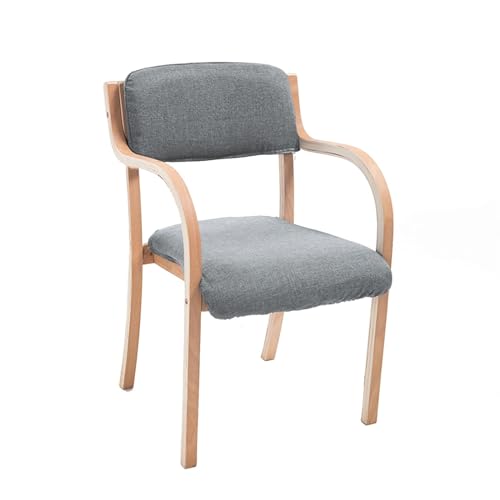
Modern Solid Wood Dining Chairs with Arms, Upholstered Accent Armchair for Kitchen & Living Room, Ergonomic Backrest, Max Load 150kg - Stylish Chairs for Office, Cafe & Leisure
Check price on Amazon
Mid-Century Dining Chair, Faux Leather Armchair In Walnut And Cream | Foam Padded Seat, Foam Padded Backrest, Curved Bent Wood Armrests, Tapered Leg Construction, Indoor Use Only, Walnut cream
Check price on Amazon
Minimalist Bent Wood Fabric Armchair for Living Room | Minimalist Bent Wood Arm Accent Chair(A)
Check price on AmazonFrequently Asked Questions
What is a bent wood armchair?
A bent wood armchair is a chair whose frame is shaped by steaming and bending solid wood, allowing curved arms, backrests, and legs to be formed from continuous pieces. This technique produces strong, lightweight chairs with flowing silhouettes and a distinctive organic look.
Is bent wood furniture durable?
Yes. When properly manufactured from high-grade hardwood such as beech, ash, or oak, bent wood frames are strong and resistant to warping. The steam-bending process realigns wood fibers in a way that can increase structural integrity, making a well-built bentwood armchair a long-term investment.
Where can a bent wood armchair be placed?
Bent wood armchairs work well in living rooms, reading corners, bedrooms, home offices, and entryways. Their lightweight frames make them easy to reposition, and their sculptural profile allows them to serve as accent seating as well as practical chairs.
How do I care for a bent wood armchair?
Dust the frame regularly with a soft cloth, wipe with a slightly damp cloth for deeper cleaning, and avoid harsh solvents. Keep the chair away from direct sunlight and high humidity, and reapply a wood conditioner occasionally if the finish appears dry.
Find the Right Bent Wood Armchair for Your Room
Once you know which frame style, cushion profile, and wood tone suit your space, choosing becomes much simpler. Compare the options above, check dimensions against your room, and pick the chair that matches how you actually sit.
View Recommended Options