
Traditional Japanese Beds: A Complete Guide
Discover the elegance of Japanese sleeping culture. From authentic shikibuton to modern tatami-inspired designs, find the perfect floor bed for your minimalist lifestyle.
Shop Traditional Japanese BedsSleep Like a Samurai: Traditional Japanese beds offer a unique blend of simplicity, comfort, and health benefits. Unlike Western beds, these low-profile designs promote better posture, easier breathing, and a deeper connection to the sleeping space. Whether you're looking for an authentic shikibuton, a tatami mat, or a modern futon frame, this guide covers everything you need to know.
What Are Traditional Japanese Beds?
Traditional Japanese beds are a complete sleeping system typically consisting of three layers: a tatami mat base, a shikibuton (a thick, padded mattress), and a kakebuton (a duvet or comforter). This system is designed to be rolled up and stored during the day, maximizing living space in compact Japanese homes. The philosophy behind these beds is rooted in minimalism, natural materials, and the belief that sleeping close to the floor aligns the body with the earth's energy.
Modern interpretations include platform beds with a low profile, futon frames that elevate the mattress slightly, and hybrid designs that combine traditional aesthetics with Western comfort. For those interested in a minimalist bedroom furniture style, Japanese beds offer a timeless and versatile solution.
Health & Lifestyle Benefits
- Improved Posture: The firm surface of a shikibuton provides excellent spinal alignment, reducing back pain and promoting a healthier sleep posture.
- Better Circulation: Sleeping on a firm, flat surface can improve blood circulation and reduce pressure points compared to soft, sagging mattresses.
- Space Efficiency: Japanese beds can be folded and stored away, freeing up valuable floor space for other activities — ideal for small apartments and guest rooms.
- Temperature Regulation: Natural materials like cotton, wool, and rice straw allow for excellent breathability, keeping you cool in summer and warm in winter.
- Eco-Friendly: Many traditional Japanese beds are made from sustainable, natural materials, making them a great choice for environmentally conscious buyers.
For those seeking a bedroom sofa or multi-functional furniture, Japanese beds also pair beautifully with a day bed sofa for a versatile living space.
Types of Traditional Japanese Beds
Shikibuton (Traditional Futon)
The most authentic Japanese bed. A thick, rectangular cotton mattress that is placed directly on a tatami mat or floor. Available in various thicknesses (3–6 inches) and sizes (single to queen).
- Material: 100% organic cotton, wool, or polyester blends
- Thickness: 3–6 inches
- Price: $200–$800
Tatami Mats
The foundation of the Japanese bed system. Made from rice straw and covered with woven rush grass, tatami mats provide a firm, breathable base that also adds a natural, earthy scent to the room.
- Material: Rice straw core, rush grass cover
- Size: Standard 3' x 6' or custom sizes
- Price: $80–$200 per mat
Platform Beds (Low Profile)
A modern take on the traditional Japanese bed. These low-profile wooden frames elevate the mattress 4–8 inches off the floor, combining the aesthetic of a Japanese floor bed with the convenience of a standard bed frame.
- Material: Solid wood (oak, pine, bamboo)
- Height: 4–8 inches
- Price: $300–$1,200
How to Choose the Right Japanese Bed
When selecting a traditional Japanese bed, consider the following factors to ensure you get the best sleep experience:
| Factor | What to Consider | Recommendation |
|---|---|---|
| Space | Measure your room and choose a bed size that fits comfortably without overcrowding. | Single (39"x75"), Double (54"x75"), Queen (60"x80") |
| Firmness | Traditional shikibuton are firm. If you prefer a softer feel, opt for a thicker futon or add a topper. | 3" for firm, 5" for medium, 6" for softer support |
| Material | Organic cotton is breathable and natural. Wool offers warmth and moisture-wicking. Polyester is more affordable but less breathable. | 100% organic cotton or cotton-wool blend |
| Storage | Do you plan to fold and store the futon daily? If yes, choose a lighter mattress (under 30 lbs). | Lightweight cotton futon (20–25 lbs) |
| Budget | Prices range from affordable entry-level to premium handcrafted options. | $200–$800 for a quality shikibuton |
For a complete bedroom transformation, consider pairing your Japanese bed with other bedroom storage solutions and bedside tables to create a harmonious and functional space.
Caring for Your Japanese Bed
- Air It Out: Shikibuton need to be aired regularly (at least once a week) to prevent moisture buildup and mold. Hang it outside on a sunny day if possible.
- Rotate & Flip: Rotate and flip your futon every 2–3 months to ensure even wear and prolong its lifespan.
- Use a Mattress Pad: A breathable cotton mattress pad protects the futon from stains and sweat, making it easier to clean.
- Vacuum Regularly: Use a vacuum with a upholstery attachment to remove dust and debris from the surface.
- Professional Cleaning: Deep clean your shikibuton once a year at a specialized cleaning service that handles futons.
For those who also have a futon bed in their guest room, the same care principles apply to ensure your guests always have a comfortable night's sleep.
Frequently Asked Questions
Are Japanese beds good for back pain?
Yes! The firm support of a shikibuton promotes proper spinal alignment, which can alleviate and prevent back pain. Many people with chronic back pain find relief after switching to a traditional Japanese bed.
Can I use a Japanese bed on a regular bed frame?
Yes, but it's best to place it on a flat, solid surface. A slatted frame may not provide enough support and could cause the futon to wear unevenly. A platform bed is the ideal choice.
How long does a shikibuton last?
With proper care, a high-quality cotton shikibuton can last 5–8 years. Regular airing, rotation, and using a mattress pad will extend its lifespan significantly.
Do I need a tatami mat for a Japanese bed?
While not strictly necessary, a tatami mat provides an excellent base that allows the futon to breathe and prevents moisture from the floor from damaging the mattress. It also adds authentic Japanese aesthetic to the room.
Best Traditional Japanese Beds
⚠️ AFFILIATE DISCLOSURE: This website contains affiliate links. As an affiliate Associate, we earn from qualifying purchases. If you make a purchase through these links, we may receive a small commission at no additional cost to you. Read our full affiliate policy.

95" L-Shaped Cloud Sectional Couch, Right Facing Modular Compressed Boneless Sectional Sofa with Chaise Lounge, Plush Corduroy Boneless Corner Sofa for Living Room

TROMIRY U-Shaped Sectional Couches for Living Room | 112 Inch Modern Sectional Couch | Dark Grey Chenille Sofa with Double Chaise for Apartment

85'' Modular Sectional Sofa with Pull Out Bed, Sleeper Sofa, Dark Gray

116.5" Modular Sectional Cloud Couch, U Shaped Tufted Sofa for Living Room | Deep Seat Comfort, Comfy Foam Cushions, Soft Chenille Fabric, Sturdy Frame, Easy Assembly, Dark Gray

95" L-Shaped Cloud Sectional Couch, Left Facing Modular Compressed Boneless Sectional Sofa with Chaise Lounge, Plush Corduroy Boneless Corner Sofa for Living Room

Korser 110" L-Shaped Modular Sectional Sofa with Chaise, Boneless Comfy Corduroy Fluffy Couch with Deep Seat and Side Pockets, Flexible Module Combination for Living Room, No Assembly, Side Pockets

HAOMARKETS 115" Modular Sectional Sofa Couch with Movable Ottoman, Oversized Corduroy U Shaped Sectional Couches with Rolled Arms, 7-Seater Corner Sofas with Reversible Chaises for Living Room, Brown
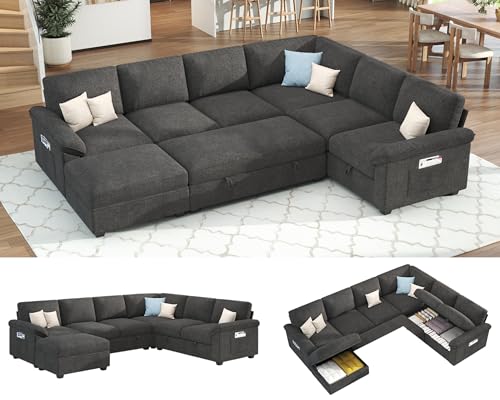
Jocisland 104" Sofa Bed, Sectional Sleeper Sofa with Pull Out Bed-Gray | U Shaped 7 Seat Sectional Couches for Living Room, Sleeper Sofa with Storage, Side Pockets & Plush Armrest Pillow
Ready to Embrace the Japanese Sleep Experience?
Browse our curated selection of authentic shikibuton, tatami mats, and platform beds. Find the perfect traditional Japanese bed for your home today.
Shop Now