
Task Lighting: The Complete Guide to Living Room Illumination
Discover how to choose and place task lighting for reading, working, and relaxing. From adjustable floor lamps to dedicated table lamps, learn the principles of effective living room lighting.
START EXPLORINGWhy Task Lighting Matters: A well-designed living room needs more than a single overhead fixture. Task lighting provides focused illumination exactly where you need it — over a reading chair, beside your favorite sofa, or next to a workspace. This guide explains the types, placement strategies, and selection criteria so you can create a living room that is both functional and inviting.
What Is Task Lighting and Why Does It Matter?
Task lighting is a layer of illumination designed to support a specific activity — reading, writing, crafting, or working on a laptop. Unlike ambient lighting, which fills a room with general brightness, task lighting directs a concentrated pool of light onto a work surface or activity area. In a living room, task lighting is what makes a sofa comfortable for reading a book or a side table useful for sorting mail.
The best living room lighting schemes combine three layers: ambient lighting for overall visibility, task lighting for focused activities, and accent lighting for visual interest. Task lighting is the layer that most directly affects how usable your living room feels day to day. A beautiful room with only overhead lighting can feel flat and even cause eye strain when you try to read or work. Adding a dedicated task lamp solves that problem immediately.
When planning task lighting, think about where people actually sit and what they do there. The primary reading spot — often a corner of a sofa or a dedicated accent chair — should have a light source positioned close by. A secondary task zone might be a desk or a side table used for laptop work. Mapping these activity zones before you shop will save you from buying fixtures that look good but do not serve a purpose.
Types of Task Lighting for Living Rooms
Task lighting comes in several forms, each suited to different spaces and activities. Understanding the strengths of each type helps you build a lighting plan that works with your room layout.
Floor Lamps
Floor lamps are the workhorses of living room task lighting. A well-positioned floor lamp can illuminate a reading chair without requiring table space. Adjustable floor lamps with articulating arms or swing arms are especially effective because you can direct the light precisely where it is needed. When choosing a floor lamp for reading, look for a model with a shade that directs light downward and a height that places the bulb at or slightly above eye level when seated. For rooms with limited floor space, consider a slim floor lamp with a weighted base that tucks into a corner.
If you plan to read or work from your sofa, a floor lamp positioned behind or beside the sofa can provide excellent downward task light. Pair it with a table for laptop on sofa to create a comfortable workspace without a dedicated desk. The right lamp makes that setup genuinely usable rather than a compromise.
Table Lamps
Table lamps are ideal when you have a side table, console, or end table available. A table lamp beside a sofa or between two chairs delivers focused light exactly where a reader needs it. The classic reading lamp setup — a table lamp with a slightly translucent shade on an end table next to an armchair — remains one of the most effective task lighting arrangements in any living room.
When selecting a table lamp for task work, pay attention to the shade material. Opaque or heavily lined shades direct light downward, creating a stronger task pool. Translucent shades soften the light and spread it more widely, which is better for ambient contribution but less effective as pure task lighting. Many readers prefer a shade that is open at the bottom so light reaches the page without glare.
Adjustable and Swing-Arm Fixtures
Adjustability is the single most valuable feature in task lighting. A swing-arm wall lamp or an articulating floor lamp lets you move the light source as your activity changes. For living rooms with limited table space, wall-mounted swing-arm lamps are an excellent solution — they provide task light without consuming surface area. Adjustable fixtures also let you avoid glare by positioning the light source outside your direct line of sight while still illuminating the page or work surface.
Recessed and Under-Shelf Lighting
In living rooms with built-in shelving or a media console, recessed or under-shelf lighting can illuminate specific zones without adding freestanding fixtures. This approach is particularly useful for highlighting a display shelf or providing light over a built-in desk area. While less flexible than a portable lamp, integrated task lighting creates a clean, uncluttered look that suits modern and minimalist interiors.
How to Place Task Lighting for Maximum Comfort
Placement determines whether task lighting is helpful or harsh. The goal is to illuminate the task surface without shining light directly into the user's eyes or creating distracting shadows.
For reading, position the light source to the side of your seated position, roughly at shoulder height or slightly above. If you are right-handed, place the lamp on your left side so your hand does not cast a shadow across the page. The shade should sit at or just below eye level when you are seated, which prevents glare while still casting light onto the reading material. A common mistake is placing a lamp too high, which sends light directly into the eyes, or too low, which creates uneven illumination.
For laptop or writing work, the light should come from the side and slightly in front of the work surface. Avoid positioning a task lamp directly behind a laptop screen, as the contrast between the bright screen and the darker surroundings can cause eye fatigue. A desk-style lamp with a focused beam works well for this use case, especially when paired with a comfortable seating arrangement. If your living room doubles as a workspace, review our guidance on sofas for the living room to ensure your seating supports longer work sessions.
Keep task lighting independent of your ambient lighting controls. A separate switch or dimmer for each task lamp lets you turn on focused light only when needed, which is more energy-efficient and more comfortable than flooding the whole room with bright overhead light for a single activity.
Light Quality: Color Temperature, Brightness, and Glare
The quality of light matters as much as the fixture itself. For task lighting in a living room, a color temperature between 2700K and 3000K is generally ideal — it provides a warm, comfortable tone that supports relaxation while still being bright enough for reading. Cooler temperatures (4000K and above) can feel clinical in a living room setting and are better suited to dedicated home offices.
Brightness for task lighting should be sufficient to read comfortably without straining. A bulb in the 400–800 lumen range per task light is a reasonable starting point for a reading lamp, though the exact figure depends on the shade and the distance to the page. Dimmable fixtures offer the most flexibility, allowing you to raise brightness for detailed work and lower it for relaxed reading or conversation.
Glare control is essential. Choose shades that shield the bulb from direct view when you are seated. A three-way bulb or a dimmer lets you match the light level to the activity, reducing the contrast between the task area and the rest of the room. In rooms with dark walls or furniture, you may need slightly more task light to achieve the same comfortable reading level.
Building a Layered Lighting Plan Around Task Lighting
Task lighting works best as part of a layered plan. Start with ambient light — ceiling fixtures, recessed lighting, or a large pendant — to establish a comfortable baseline. Then add task lighting at each activity zone. Finally, add accent lighting such as wall sconces or picture lights to add depth and visual interest.
A typical living room might use an overhead fixture on a dimmer for ambient light, a floor lamp beside the primary reading chair for task light, and a table lamp on a console for both task and accent purposes. This combination gives you control: you can light the whole room softly, add a focused pool of light for reading, or create a warm glow for entertaining. The goal is flexibility, and task lighting is the layer that provides the most direct functional control.
If your living room layout includes a sofa bed or convertible seating, consider how task lighting supports both daytime and nighttime use. A reading lamp that doubles as a bedside-style light is especially useful in multi-purpose rooms. Our guide to sofa beds covers how to plan around convertible furniture, and task lighting is a natural companion to that planning.
What to Look for When Choosing Task Lighting
Before you shop, decide on your priorities: adjustability, shade design, dimmability, and build quality. Adjustable arms and heads are worth prioritizing for any lamp that will serve multiple activities. Metal or solid wood construction with a weighted base indicates better stability, especially for floor lamps in high-traffic areas.
For table lamps, check the shade dimensions relative to the lamp base. A shade that is too small concentrates light into a narrow spot, while an oversized shade can make the lamp top-heavy and reduce task effectiveness. A shade roughly two-thirds the width of the lamp base is a reasonable proportion for a reading lamp.
Consider how the fixture will be switched. A lamp with an in-line switch or a rotary switch on the socket is convenient for a reading chair. Floor lamps with a foot switch are easier to operate when seated. If you plan to use smart bulbs or dimmers, confirm the fixture is compatible with the bulb type you intend to use.
For rooms with pets or children, look for stable bases, cord management, and shades that are securely attached. A task lamp that tips easily is a hazard in a busy living room. Our guide to sofa material that cats won't scratch covers broader pet-friendly living room planning, and the same durable-construction mindset applies to lighting fixtures.
Common Task Lighting Mistakes to Avoid
The most common mistake is relying solely on overhead lighting for reading and work. Overhead fixtures cast shadows on the page and create glare when you look up, which leads to eye strain. A dedicated task lamp eliminates both problems.
A second mistake is placing the lamp too far from the activity. Task lighting loses effectiveness quickly with distance — a lamp across the room does not provide usable task light no matter how bright the bulb. Keep the light source within arm's reach of the activity zone.
Finally, avoid fixtures with shades that expose the bare bulb to view. Visible bulbs create glare and reduce comfort during long reading sessions. A shade with a diffuser or a downward-facing design keeps the light on the task and out of your eyes. If you are redesigning the entire seating area around better lighting, our sofa styling guide can help you balance the visual composition with the functional lighting plan.
Recommended Task Lighting Fixtures for Living Rooms
⚠️ AFFILIATE DISCLOSURE: This website contains affiliate links. As an affiliate Associate, we earn from qualifying purchases. If you make a purchase through these links, we may receive a small commission at no additional cost to you. Read our full affiliate policy.

Voncerus LED Desk Lamp with Clamp, Clip on Lights for Home Office, Black | 3 Modes 10 Brightness, Long Flexible Goose-Neck, Eye-Caring, Memory Function, Energy Efficient, USB Adapter, Metal
Check price on Amazon
LED Floor Lamp, 18W/2000LM Bright Reading Floor Lamp for Office with Double Head, Adjustable Gooseneck Dimmable Modern Standing Light for Lash Extension Craft, Eye Caring Floor Lamps for Living Room
Check price on Amazon
Pzloz Led Desk Lamp for Office Home - Eye Caring Architect lamp with Clamp,Dual Screen Computer Monitor Work Smart Light: 24W 5 Color Flexible Adjustable Lighting Table Lamp for Study Drafting
Check price on Amazon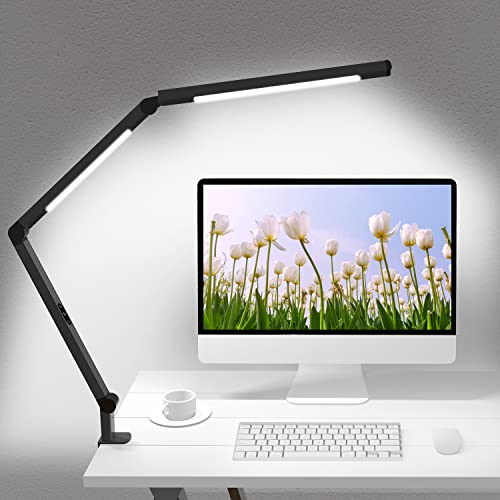
LED Desk Lamp with Clamp, Architect Desk Lamp with Dual Light and Adjustable Swing Arm, Clip-on Eye-Care 4 CCT Modes & 5 Brightness Levels Table Light Modern Computer Lighting for Home Office
Check price on Amazon
LED Desk Lamp with Clamp, 17" Stepless Dimming Light, Black | 2700K-6500K, 100 LEDs, 360° Gooseneck, Fits Up to 30" Monitors, Flicker-Free Lighting for Home Office, Study& Workbench
Check price on Amazon
Lepro LED Desk Lamp 9.5W 800lm, Metal Desk Light for Home Office, White | 5 Colors 5 Brightness, Dimmable Task Light, Eye Caring, Home Office Desktop Lamp for Reading, Crafting, Sewing, Puzzle, Nail
Check price on Amazon
Wio-Mio Floor Lamp, 15W/1000LM Bright LED Floor Lamp with Stepless Dimming | Remote and Touch Control, 3000K-6000K Color Temperature, Adjustable Gooseneck Tall Reading Lamp for Living Room, Bedroom
Check price on Amazon
ONEMIX 42" Desk Lamp for Home Office with Clamp, 1800LM 4-Panel LED Light | 5 Colors & 5 Brightness Levels, Flexible Gooseneck, Focused/Wide Lighting, Flicker-Free for Dual Monitors, Study & Workbench
Check price on AmazonFrequently Asked Questions About Task Lighting
What is the difference between task lighting and ambient lighting?
Ambient lighting provides general illumination for an entire room, while task lighting focuses light on a specific activity area such as a reading chair or work surface. A well-lit living room typically uses both layers together, along with accent lighting for visual interest.
Where should I place a task lamp next to a sofa?
Place the lamp beside the seat, at or slightly above shoulder height when seated. Position it to the side opposite your dominant hand so your hand does not cast a shadow across a book or notebook. Keep the shade at or just below eye level to avoid glare.
What color temperature is best for reading?
A warm color temperature between 2700K and 3000K is generally most comfortable for reading in a living room. Cooler temperatures can feel clinical in a relaxed living space, though personal preference varies.
Can a table lamp serve as both task and accent lighting?
Yes. A table lamp on a console or side table often serves both functions. The direction of the shade and the bulb brightness determine how much of the light is focused on a task versus contributing to the room's overall ambiance.
Do I need dimmable task lighting?
Dimmability is highly recommended. It lets you raise brightness for detailed work and lower it for relaxed reading or conversation, giving you flexibility across different activities and times of day.
How many task lights does a living room need?
Most living rooms benefit from at least one task light per primary activity zone — typically one beside the main reading seat and one near a secondary seating or work area. Larger rooms may need two or three to cover all activity zones comfortably.