
Slip Covers for Sofas with Cushions: The Complete Guide
Protect your sofa, refresh your living room, and extend the life of your cushions with the right slipcover. Learn how to choose, measure, fit, and care for slip covers designed specifically for sofas with removable cushions.
Why this guide matters: A sofa with cushions is an investment. Slip covers are one of the most practical ways to shield it from daily wear, pet claws, spills, and fading — while giving your living room a fresh look. This guide walks you through fabric choices, fit types, cushion compatibility, measuring methods, and maintenance so you can buy with confidence.
What Slip Covers for Sofas with Cushions Are
A slip cover for a sofa with cushions is a removable fabric cover engineered to wrap the sofa frame and, in most cases, each individual cushion. Unlike a simple throw blanket, a purpose-made slipcover includes separate cushion covers, elastic anchors, or tuck-in flaps that keep the fabric in place while allowing you to remove, wash, or swap it seasonally.
These covers are distinct from fixed upholstery. They sit over the existing fabric, leather, or microfiber, which means you do not need to reupholster the sofa to change its appearance or protect it. If you own a leather sofa and want a fabric look, a slipcover is a reversible option worth exploring alongside dedicated leather sofa covers.
Key Benefits of Using a Slipcover
Protection from Daily Wear
Slipcovers absorb friction from clothing, pet paws, and kids' play. The cover wears out instead of the sofa's original fabric or leather, extending the usable life of the frame and cushion foam.
Easy Cleaning and Replacement
Most covers are machine washable. When a spill or pet accident happens, you remove the cover, wash it, and reinstall — no professional cleaning appointment needed for the whole sofa.
Style Refresh Without Reupholstery
Change color, texture, or pattern to match a new rug, seasonal decor, or a repainted room. A slipcover is a quick, reversible design update compared to full reupholstery.
Pet and Child Friendly
For households with pets or young children, a washable slipcover is a practical safeguard. Look for tight-weave fabrics that resist snags and covers with secure elastic anchors that stay put during activity.
Sun and Fade Protection
A cover shields the sofa's original fabric from direct sunlight, slowing color fading and preventing the premature aging of upholstery near windows.
Rental and Dorm Friendly
If you rent or live in a temporary space, a slipcover lets you personalize the furniture without permanent changes, and it removes easily when you move.
Types of Slipcovers for Cushioned Sofas
The market offers several constructions. Matching the type to your sofa's cushion setup and your household's needs is the most important decision.
| Type | Best For | How It Fits Cushions | Considerations |
|---|---|---|---|
| Stretch / Spandex Slipcover | Sofas with standard rectangular cushions; quick refreshes | Elastic hem wraps frame; separate stretch covers fit each cushion | Conforms to shape; may show cushion edges on thick or irregular cushions |
| Fitted / Tailored Slipcover | Sofas where a crisp, upholstered look matters | Individual cushion covers with zippers or envelope closures | Needs accurate measurements; less forgiving of unusual cushion shapes |
| Draped / Throw-Style Cover | Casual, relaxed rooms; odd-shaped cushions | Fabric tucks into the gaps around each cushion | Requires frequent re-tucking; best with textured, heavier fabrics |
| Quilted / Padded Slipcover | Extra comfort and added protection | Quilted panels wrap frame; cushion covers often quilted too | Bulkier fit; check that cushion covers still zip or tuck cleanly |
| Water-Resistant / Performance Cover | Homes with pets, kids, or frequent spills | Usually fitted with separate cushion covers in treated fabric | Verify breathability; some treatments reduce softness |
If your sofa has a chaise or an L-shaped configuration, look for covers labeled for sectionals or modular pieces. Standard sofa covers will not fit the extended chaise section correctly. For broader coverage options across furniture styles, see the general slip covers category.
Fabric Options and Their Trade-Offs
Fabric determines how the cover feels, how it wears, and how easy it is to clean. There is no single best fabric — the right choice depends on your household.
| Fabric | Feel | Durability | Cleaning | Best For |
|---|---|---|---|---|
| Microfiber / Polyester Blend | Soft, smooth | High — resists pilling and snags | Machine washable | Family rooms, high-traffic sofas |
| Cotton / Cotton Blend | Breathable, natural | Moderate — may wrinkle | Machine washable, may shrink | Casual, relaxed living rooms |
| Spandex / Elastane Blend | Stretchy, form-fitting | Moderate — can thin over time | Machine washable, air dry | Quick style changes, standard cushions |
| Chenille / Textured Weave | Plush, warm | High — dense weave | Gentle cycle, low heat | Cozy, traditional interiors |
| Linen / Linen Blend | Crisp, breathable | Moderate — creases easily | Gentle wash, ironing may be needed | Warm climates, airy aesthetics |
| Velvet / Velour | Luxurious, soft | Moderate — crush marks possible | Dry clean or gentle wash | Formal or statement living rooms |
Fitted vs Draped: Which Fit Suits You
The two broad fit styles serve different priorities. Understanding the trade-off helps you avoid a cover that looks sloppy or feels too tight.
Fitted Slipcovers
Fitted covers use elastic corners, tie straps, or zippered cushion covers to hug the sofa. The result is a clean, tailored silhouette that resembles reupholstery. Fitted covers are the better choice when you want a neat appearance and your cushions are standard rectangular or square shapes. They require more accurate measurements, and installation takes longer because each cushion cover must be fitted individually.
Draped Slipcovers
Draped covers are larger fabric panels tucked into the crevices between cushions and frame. They are forgiving of odd cushion shapes and quick to install, but they need periodic re-tucking, especially in busy households. Heavier fabrics with texture — chenille or quilted cotton — hold tucks better than smooth, lightweight fabrics.
A practical middle ground is a fitted frame cover combined with draped cushion covers. This gives you structure on the frame and flexibility on the cushions. If your sofa has back cushions that are attached rather than removable, prioritize a cover designed for attached-back models, and see the dedicated guide on slip covers for sofas with back cushions.
How to Measure Your Sofa and Cushions
Accurate measurements prevent the two most common slipcover failures: covers that are too tight to install and covers that pool with excess fabric. Use a soft measuring tape and record numbers in inches or centimeters consistently.
- Measure overall width: Measure from the outer edge of the left armrest to the outer edge of the right armrest, at the widest point.
- Measure overall depth: Measure from the front of the seat cushion to the back of the sofa frame, including the backrest.
- Measure overall height: Measure from the floor to the top of the backrest. If the sofa has legs you want covered, start at the floor; otherwise start at the base.
- Measure the seat platform: With cushions removed, measure the width and depth of the flat seating deck between the armrests. This is the critical number for fitted frame covers.
- Measure each cushion separately: Record length, width, and thickness for every seat and back cushion. Cushions are rarely identical, especially after use.
- Compare to the size chart: Match your numbers to the manufacturer's chart. If you fall between sizes, size up rather than down — excess fabric can be tucked, but a short cover cannot stretch to fit.
Step-by-Step Installation
Proper installation is what separates a crisp, upholstered look from a bunched, shifting cover. Follow this sequence for a sofa with removable cushions.
- Remove all cushions: Take off seat and back cushions and set them aside. Vacuum the bare frame to remove crumbs and debris that could cause friction or odors.
- Fit the frame cover: Drape or stretch the main cover over the frame, aligning seams with the sofa's corners. Pull elastic corners into place or tuck fabric into the gap between the seat deck and the backrest.
- Anchor the base: If the cover includes straps, tie them underneath the frame. For draped covers, push fabric firmly into the crevices along the arms and back.
- Cover each cushion: Slide seat and back cushions into their individual covers. Zip or tuck the closure, then smooth the fabric from the center outward to remove wrinkles.
- Reinstall cushions: Place covered cushions back on the frame, alternating the orientation if your cushions are reversible. Press down firmly so the cushion covers settle into the frame cover.
- Final smoothing: Walk around the sofa and smooth all surfaces. Tuck any excess fabric into gaps rather than letting it hang. Let the cover settle for a few hours before judging the fit.
Cleaning and Maintenance
Regular care keeps the cover looking sharp and protects the sofa underneath. The routine is simple but consistency matters.
- Vacuum weekly: Use a soft brush attachment on the cover to lift dust, pet hair, and crumbs before they work into the weave.
- Rotate cushions monthly: Flip and rotate cushions to distribute wear evenly. This also helps the cushion covers keep their shape.
- Wash according to the label: Most microfiber and spandex blends are machine washable on a gentle cycle. Use cold water and mild detergent; avoid bleach and fabric softener, which can break down elastic fibers.
- Air dry when possible: Line drying preserves elasticity and prevents shrinkage. If using a dryer, choose the lowest heat setting and remove the cover while slightly damp.
- Reinstall promptly: Put the cover back on the sofa while it is still slightly damp — the fabric relaxes into the shape of the frame and cushions as it dries, producing a smoother fit.
- Spot clean spills immediately: Blot, do not rub. Rubbing pushes liquid deeper into the fabric and can distort the weave.
For leather sofas, avoid machine washing the cover if it is designed for leather frames with a non-slip backing; check the care label, as some backing materials require spot cleaning only. If your priority is protecting leather specifically, the dedicated leather sofa covers guide covers compatible materials and attachment methods.
Common Mistakes to Avoid
- Buying without measuring cushions: Frame measurements alone are not enough. Cushion thickness and shape determine whether the cushion covers will fit.
- Choosing a cover for a different configuration: A standard sofa cover will not properly fit a sectional, chaise, or L-shaped sofa. Match the cover to the exact configuration.
- Ignoring cushion type: Attached-back cushions need a different cover than loose back cushions. Check the label to confirm compatibility.
- Over-stretching a tight cover: If the cover requires extreme force to install, it is the wrong size. Over-stretching strains seams and causes early failure.
- Skipping the non-slip layer on smooth upholstery: Leather and polished microfiber offer little grip. Choose covers with silicone backing or anchor straps to prevent shifting.
- Washing on hot settings: Heat degrades elastic and can shrink natural fibers. Follow the label and prefer cold water and low heat.
Recommended Slip Covers for Sofas with Cushions
⚠️ AFFILIATE DISCLOSURE: This website contains affiliate links. As an affiliate Associate, we earn from qualifying purchases. If you make a purchase through these links, we may receive a small commission at no additional cost to you. Read our full affiliate policy.

Easy-Going Stretch Couch Covers for Sofa Washable Large Dark Gray | 1-Piece Sofa Covers for 3 Cushion Couch Furniture Protector Couch Slipcover Soft with Elastic Bottom for Kids Pets
Check price on Amazon
H.VERSAILTEX Super Stretch Individual Seat Cushion Covers Sofa Covers Couch Cushion Cover Slipcover Sets Thick Jacquard Textured Twill Fabric (3 Piece Sofa Cushion Covers, Grey)
Check price on Amazon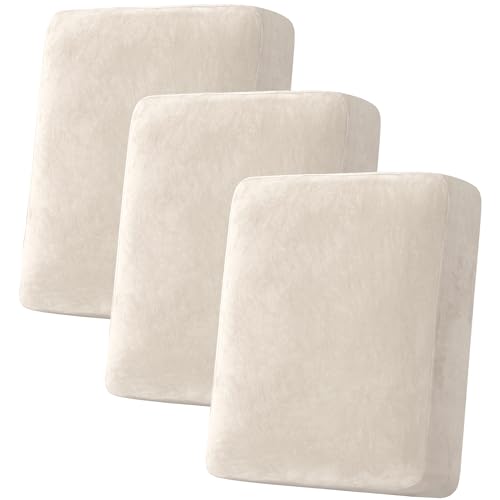
H.VERSAILTEX Velvet Stretch Couch Cushion Cover Plush Cushion Slipcover for Chair Loveseat Sofa Cushion Furniture Protector Seat Cushion Sofa Cover (3 Piece Sofa Cushion Covers, Ivory)
Check price on Amazon
Easy-Going Stretch 1 Piece Couch Cushion Cover for Sofa | Sofa Cushion Furniture Protector Sofa Seat sofa slipcover Washable sofa cover soft with Elastic Bottom Dark Gray
Check price on Amazon
H.VERSAILTEX 4 Pieces Thick Velvet Sofa Covers Couch Covers for 3 Cushion Couch Sofa High Stretch Slipcovers Furniture Protector Form Fit Luxury Couch Cover for Dogs Width Up to 90 Inch(Sofa,Grey)
Check price on Amazon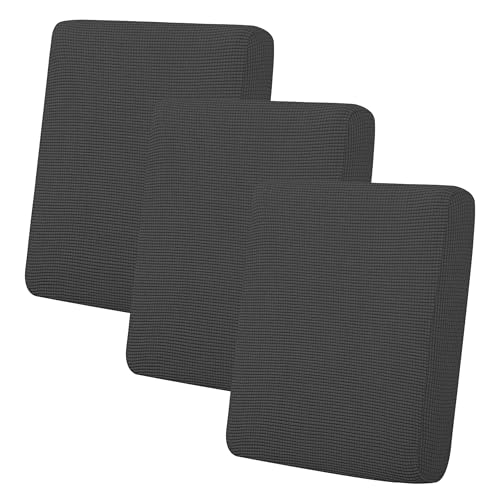
Easy-Going Individual 3 Piece Stretch Sofa Couch Cushion Covers, Washable | Furniture Protector Sofa slipcover for 3 Cushion Couch Washable Soft with Elastic Bottom Dark Gray
Check price on Amazon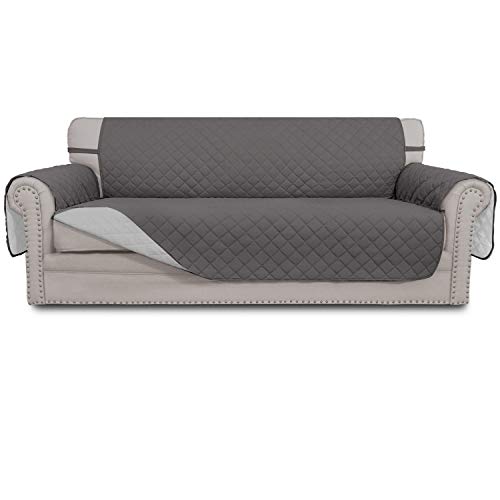
Easy-Going Reversible Couch Cover, 3 Cushion Sofa, Large, Gray/Light Gray | Machine Washable Slipcover For Dogs, Water Resistant Furniture Mat For Living Room, Non-Slip Sofa Cover, Pet Friendly
Check price on AmazonFrequently Asked Questions
Do slip covers work on sofas with removable cushions?
Yes. Slip covers for sofas with cushions are designed with separate cushion covers or stretch panels that accommodate removable seat and back cushions. Detach the cushions, fit the base cover, then fit each cushion cover individually for the smoothest result.
What is the difference between a fitted and a draped slipcover?
A fitted slipcover uses elastic or tie straps to hug the sofa frame and cushion edges for a tailored look. A draped slipcover is a larger fabric throw that tucks into the gaps between cushions and frame, giving a relaxed, casual appearance.
Can I use a slipcover on a leather sofa with cushions?
Yes, but choose a slipcover with a non-slip backing or elastic anchors. Leather is smooth, so covers can shift without grip. Fabrics with a soft inner lining and reinforced corner straps perform best on leather frames.
How do I measure a sofa for a slipcover with cushion covers?
Measure the overall sofa width, depth, and height, then measure each cushion separately including thickness. Also measure the seat platform between armrests. Compare your numbers to the slipcover size chart and choose the next size up if you are between sizes.
How often should I wash a sofa slipcover?
In a typical household, wash the cover every four to six weeks. In homes with pets or young children, a two- to three-week cycle is more practical. Spot clean spills immediately between washes to prevent stains from setting.
Will a slipcover make my sofa look bulky?
A properly sized fitted cover adds minimal bulk because it sits close to the frame and cushions. Bulky appearance usually comes from choosing a size too large, using a quilted cover on a tight-back sofa, or failing to tuck excess fabric into the crevices.
Ready to Refresh Your Sofa?
Browse recommended slip covers for sofas with cushions in the product section above. Compare fabrics, fit styles, and cushion compatibility to find the cover that matches your household and design goals.
Explore Slip Cover Options